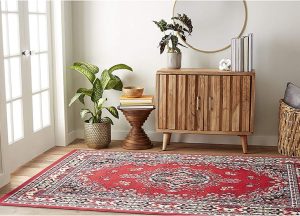
You are currently viewing Choosing the Perfect Persian Carpet: A Guide to Patterns, Colors, and Sizes

Choosing the Perfect Persian Carpet: A Guide to Patterns, Colors, and Sizes

  • Post author:
  • Post published:
  • Post category:Carpets

Step into a world where art, history, and craftsmanship converge beneath your feet—the enchanting realm of Persian carpets. These masterpieces, handwoven by skilled artisans using techniques passed down through generations, are far more than floor coverings; they are living narratives that carry the soul of ancient Persia into modern homes. With their intricate patterns, symbolic motifs, and rich, natural color palettes, Persian carpets possess an enduring allure that transcends passing trends. Whether you are a seasoned collector or a first-time buyer, choosing the perfect piece requires an understanding of design, quality, and cultural significance. This guide will help you navigate the timeless beauty of Persian carpets, ensuring your selection becomes a cherished heirloom for years to come.

In the world of interior design, few elements possess the allure and cultural richness that Persian carpets bring to a space. These masterpieces underfoot, hailing from the cradle of ancient civilizations, are not merely floor coverings; they are woven narratives that carry the stories of generations. Choosing the perfect Persian carpet is an art in itself, a journey into patterns, colors, and sizes that transcend mere decoration to become a reflection of individual style and cultural appreciation.

In this guide, we embark on a voyage through the enchanting realm of Persian carpets, exploring the intricate patterns, vibrant colors, and diverse sizes that make each piece a unique work of art. Whether you are an avid collector, a first-time buyer, or someone seeking to infuse a touch of heritage into your living space, join us as we unravel the secrets behind choosing the perfect Persian carpet—a process that goes beyond aesthetics to embrace the craftsmanship, symbolism, and cultural significance woven into every fiber. Discover how these carpets, steeped in tradition, effortlessly bridge the gap between the past and present, offering timeless elegance that transforms any room into a sanctuary of beauty and history.

Brief Overview of Persian Carpets:

Persian carpets, renowned for their exquisite craftsmanship and timeless beauty, stand as cherished artifacts that have woven their way through centuries of history. Originating from the ancient weaving traditions of Persia, now modern-day Iran, these carpets are not merely floor coverings but intricate pieces of art that embody the rich cultural heritage of the region.

Key Characteristics of Persian Carpets:

Hand-Woven Craftsmanship:

Persian carpets are meticulously hand-woven by skilled artisans, a tradition that has been passed down through generations. The process involves careful knotting of threads, resulting in intricate and detailed patterns.

Diverse Patterns and Motifs:

Persian carpets are celebrated for their diverse range of patterns and motifs. From geometric designs to intricate floral patterns and medallions, each carpet tells a unique visual story that often reflects the cultural and regional influences of its origin.

Rich Color Palette:

The color palette of Persian carpets is both vibrant and symbolic. Traditional dyes extracted from natural sources contribute to a rich array of hues, and each color holds cultural significance. Reds, blues, and earth tones are prevalent, each representing various aspects of life, nature, and spirituality.

Various Carpet Sizes:

Persian carpets come in a variety of sizes, catering to different room dimensions and purposes. From small, intricately designed rugs to larger carpets that can cover entire rooms, the versatility in sizing allows for their integration into diverse living spaces.

Regional Diversity:

Different regions in Iran have distinct weaving styles and design preferences, giving rise to a diverse array of Persian carpets. Tabriz carpets are known for elaborate designs, while Kashan carpets often feature historical motifs. Isfahan carpets, on the other hand, showcase fine silk craftsmanship.

Symbolism and Cultural Significance:

Persian carpets often incorporate symbolic elements and motifs that carry cultural and spiritual significance. These symbols may include representations of nature, animals, or geometric patterns with deeper meanings embedded in Persian traditions.

Quality Materials:

Traditional Persian carpets are crafted from high-quality materials, with wool being a common choice for its durability, softness, and natural sheen. Some carpets may also feature silk highlights, adding a luxurious touch.

Collectible Art:

Persian carpets are not just floor coverings; they are considered valuable pieces of art. Collectors around the world appreciate the craftsmanship and cultural significance embedded in each carpet, contributing to their status as sought-after investments.

Advantages and Disadvantages of Persian Carpet

Advantages of Persian Carpets:

Artistic Elegance:

Timeless Beauty: Persian carpets are renowned for their intricate designs and artistic elegance, serving as exquisite pieces of decor that enhance the aesthetic appeal of any space.

Cultural Richness:

Historical Significance: Each Persian carpet carries a piece of cultural history, with patterns, motifs, and symbols reflecting the traditions and stories of the region. They provide a unique way to connect with Persian heritage.

Handcrafted Quality:

Skilled Craftsmanship: Persian carpets are traditionally hand-woven by skilled artisans, showcasing meticulous craftsmanship. This manual process results in durable and high-quality carpets known for their longevity.

Diverse Designs:

Versatility: Persian carpets come in a wide array of designs, from geometric patterns to floral motifs and intricate medallions. This diversity allows for versatile use in different interior design styles.

Rich Color Palette:

Symbolic Colors: The rich color palette of Persian carpets, often derived from natural dyes, not only adds visual vibrancy but also holds cultural and symbolic significance. Reds, blues, and earth tones contribute to the carpets’ timeless allure.

Investment Value:

Collectible Items: Persian carpets are considered valuable collectibles. Their rarity, craftsmanship, and cultural significance make them sought-after investments that can appreciate in value over time.

Disadvantages of Persian Carpets:

Cost Considerations:

Higher Price Points: Authentic Persian carpets can be relatively expensive due to the labor-intensive and intricate handcrafting process. This can make them less accessible for those on a limited budget.

Maintenance Challenges:

Delicate Materials: Persian carpets, often made from natural materials like wool and silk, require careful maintenance. They may be more susceptible to damage from spills, stains, and pets, necessitating regular and specialized cleaning.

Sensitivity to Light:

Fading Concerns: Some Persian carpets may be sensitive to prolonged exposure to direct sunlight, leading to fading of colors over time. It’s essential to consider placement and use protective measures to preserve their vibrancy.

Regional Variations:

Diverse Styles: While the diversity of Persian carpet designs is an advantage, it can also pose challenges for those seeking a specific style. Different regions produce carpets with distinct characteristics, making it important to understand regional variations.

Availability of Counterfeits:

Market Challenges: Due to their popularity and value, there is a risk of encountering counterfeit or imitation Persian carpets in the market. Buyers need to be vigilant and purchase from reputable sources to ensure authenticity.

Heavy Weight:

Transportation and Handling: Persian carpets can be heavy, especially in larger sizes. This weight can pose challenges during transportation, installation, and rearrangement within a space.You

Persian-Carpets

How to Choose Between Persian Carpet Types, Patterns, Colors, and Sizes

Choosing between different Persian carpet types requires more than matching a pattern to your décor. Start by considering the room’s size, furniture arrangement, traffic level, lighting, and overall style. Traditional Persian designs commonly include floral motifs, medallions, geometric compositions, and regional patterns, while wool is widely used for its durability and natural texture.

For Dubai interiors, also consider strong sunlight and frequent dust when deciding on color, placement, and maintenance requirements. If you are comparing options before buying, explore the available Persian carpets and consider how each design works with your existing furniture and flooring.

Consider Room Aesthetics and Existing Decor:

  • Harmony in Design: Look for a Persian carpet that complements the existing aesthetics of the room. Consider the color scheme, furniture style, and overall design theme to ensure a harmonious integration.

Matching Carpet Patterns with Furniture and Accessories:

  • Balance in Patterns: If your furniture and accessories have bold patterns, opt for a Persian carpet with more subtle designs to maintain a balance. Conversely, if your furnishings are understated, a carpet with intricate patterns can become a focal point.

 Personal Style and Preferences in Carpet Selection:

  • Reflecting Personality: Persian carpets come in a variety of styles, from traditional to more contemporary designs. Choose a style that resonates with your personal taste and complements the overall ambiance you wish to create.

Considering Room Dimensions:

  • Size Matters: Assess the dimensions of the room where you intend to place the carpet. Consider whether you want a smaller rug for a specific area or a larger carpet to cover the entire floor. Ensure the size aligns with the room’s proportions.

 Balancing Colors with Room Size:

  • Visual Impact: In smaller rooms, lighter-colored Persian carpets can create a sense of openness, while darker tones can add warmth to larger spaces. Choose colors that enhance the visual impact you desire for each room.

Quality of Materials:

  • Durability and Feel: Consider the materials used in the carpet. Wool is a common choice for its durability and natural sheen, while silk highlights can add a luxurious touch. Feel the carpet to ensure it meets your expectations for comfort and quality.

 Room Functionality:

  • Considering Use: Think about the functionality of the room. For high-traffic areas, choose a durable carpet that can withstand daily wear. In more formal spaces, you may opt for a more luxurious and intricate design.

Light Conditions in the Room:

  • Sunlight Exposure: If the room receives ample sunlight, be mindful of how certain colors may fade over time. Consider protective measures such as window treatments to preserve the vibrancy of your Persian carpet.

Budget Considerations:

  • Setting Limits: Determine your budget range before exploring options. While Persian carpets are considered valuable investments, having a budget in mind helps narrow down choices and ensures a more focused search.

Authenticity and Source:

  • Reliable Sources: Purchase your Persian carpet from reputable and knowledgeable sources. Be cautious of imitations, and, if possible, seek carpets with certification of authenticity to guarantee the quality and origin of the piece.

Customization Options for Unique Spaces:

  • Tailored Solutions: If you have unique room dimensions or specific design requirements, explore customization options. Some artisans and dealers offer the possibility of tailoring a Persian carpet to suit your individual needs.

Persian Rug Patterns Guide: Matching Designs and Colors to Your Interior

A useful Persian rug patterns guide should begin with the visual balance of the room. If your furniture, curtains, or accessories already contain strong patterns, a more restrained Persian design can prevent the space from feeling visually crowded. In a neutral room, a detailed medallion, floral, or geometric pattern can become the main focal point.

Color should also reflect the room’s natural light: deeper reds, blues, and earth tones can create warmth, while softer or muted palettes can work well in contemporary Dubai interiors. When comparing styles, you can also browse kilim rugs if you prefer a flatter, more graphic woven aesthetic rather than the traditional pile construction of many Persian carpets.

Persian-Carpets

Caring for Your Persian Carpet: Maintenance Tips

Caring for your Persian carpet is essential to ensure its longevity, preserve its vibrant colors, and maintain its intricate patterns. Here are some maintenance tips to help you keep your Persian carpet in excellent condition:

 Regular Vacuuming:

  • Frequency: Vacuum your Persian carpet regularly to remove surface dust and debris. This prevents particles from settling into the fibers and causing premature wear.

 Immediate Stain Treatment:

  • Prompt Action: Attend to spills and stains immediately. Blot the affected area with a clean, white cloth or paper towel. Avoid rubbing, as it can spread the stain. Use a gentle, non-abrasive stain remover suitable for your carpet type.

Professional Cleaning:

  • Scheduled Cleaning: Consider professional carpet cleaning at least once a year, especially if your carpet is in a high-traffic area. Professional cleaners have the expertise and equipment to deep clean and revitalize the carpet without causing damage.

Protecting from Sunlight:

  • Minimizing Exposure: Limit the carpet’s exposure to direct sunlight, as prolonged exposure can lead to fading. Use curtains or blinds to shield the carpet during peak sunlight hours, especially in rooms with large windows.

 Rotating Furniture:

  • Even Wear: Periodically rotate furniture placed on the Persian carpet to ensure even wear. This prevents certain areas from experiencing more wear than others.

Using Furniture Pads:

  • Preventing Indentations: Place furniture pads under the legs of heavy furniture to prevent indentations on the carpet. Regularly rearrange furniture to vary pressure points.

 Addressing Pet Accidents Promptly:

  • Immediate Cleaning: If your pet has an accident on the carpet, clean the area promptly. Blot the stain, clean with a suitable pet-friendly stain remover, and consider professional cleaning for more stubborn stains.

Using Area Rugs and Runners:

  • High-Traffic Areas: Place area rugs or runners in high-traffic zones to reduce wear on specific areas of the carpet. Rotate these rugs periodically for even wear distribution.

 Regular Grooming:

  • Maintaining Appearance: Groom the carpet fibers regularly with a soft-bristle brush or a carpet rake. This helps maintain the carpet’s appearance, prevent matting, and lift any embedded dirt.

Professional Inspection:

  • Periodic Check: Have a professional inspect your Persian carpet periodically. Professionals can identify any issues such as loose threads, fraying, or damage that may require attention.

Documenting Cleaning Procedures:

  • Record Keeping: Keep a record of the cleaning procedures and products used on your Persian carpet. This documentation can be helpful for future maintenance and may be required for warranty purposes.

Vacuuming Under Furniture:

  • Hard-to-Reach Areas: Move furniture occasionally to vacuum underneath. Dust and debris can accumulate in these less visible areas, contributing to the overall cleanliness of the carpet.

 Protecting During Events:

  • During Gatherings: If hosting events or parties, consider using rugs or protective covers in high-traffic areas to minimize the impact on the Persian carpet.

Understanding Cleaning Codes:

  • Follow Manufacturer Codes: Adhere to any cleaning codes provided by the manufacturer. Different carpets may have specific care instructions based on the materials used

How to Choose the Right Persian Carpet Size for Your Room

Room proportions should guide the size of a Persian carpet rather than choosing a rug based only on its appearance. In a living room, a larger carpet can help visually connect the seating arrangement, while a smaller design may work better beneath a coffee table or in a defined reading area.

In bedrooms, consider whether the carpet should extend beyond the sides and foot of the bed, and always measure door clearances before selecting a thick rug. For larger Dubai villas or open-plan interiors, the carpet should help define the intended seating or dining zone without making the surrounding floor space feel disconnected. For additional support beneath a carpet, review the available carpet underlay options where appropriate.
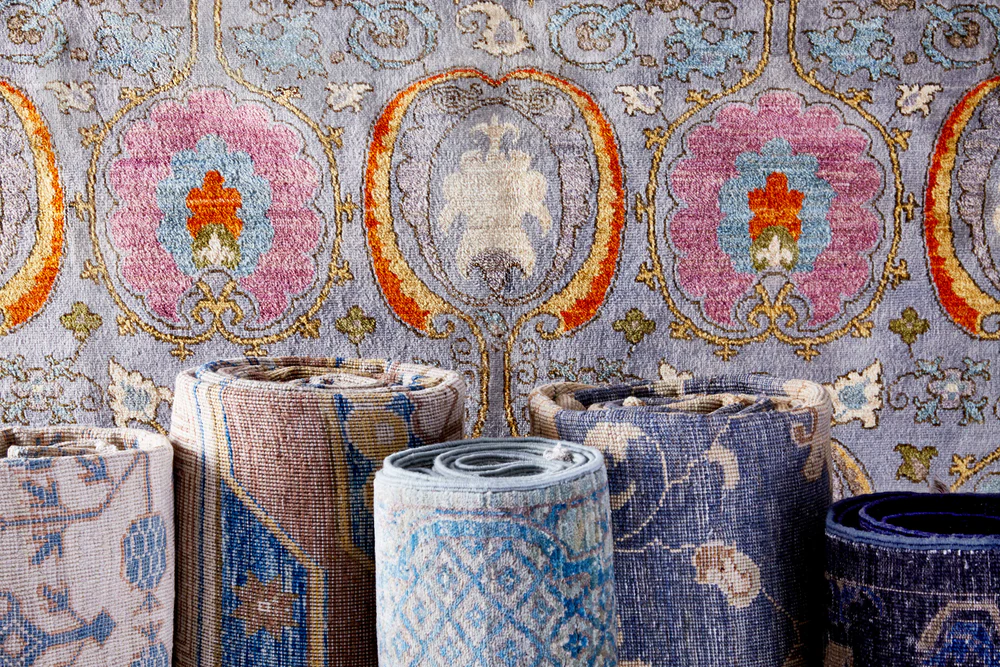
Conclusion

In conclusion, caring for your Persian carpet is not merely a task of maintenance but a commitment to preserving a timeless piece of art and cultural heritage. The intricate patterns, vibrant colors, and historical significance woven into each fiber make a Persian carpet a unique and cherished addition to any space.

What makes Persian carpets unique?

What makes Persian carpets unique?

Persian carpets are more than just floor coverings—they are cultural treasures that reflect centuries of artistry, tradition, and craftsmanship. Originating from Iran, these carpets are renowned for their beauty, durability, and symbolic patterns that carry deep cultural meanings. Each Persian carpet is handwoven, often taking months or even years to complete, which makes it not only a piece of décor but also a lasting investment. Homeowners and collectors around the world value Persian carpets for their timeless appeal, vibrant colors, and the stories woven into every design. Whether placed in a modern living room or a traditional setting, a Persian carpet adds warmth, character, and elegance that few other furnishings can match.

Here are the key features that make Persian carpets truly unique:

  • Handwoven Craftsmanship: Each carpet is meticulously crafted by skilled artisans, ensuring authenticity and quality.
  • Intricate Patterns: Designs often feature medallions, floral motifs, or geometric shapes, each carrying cultural significance.
  • Natural Dyes: Traditional Persian carpets use natural dyes that create rich, long-lasting colors.
  • Premium Materials: Made from high-quality wool, silk, or cotton, giving them durability and luxury.
  • Cultural Heritage: Each design tells a story, reflecting Persian history, art, and regional traditions.

Timeless Value: Persian carpets are not only decorative but also considered heirloom pieces and valuable investments.


frequently asked questions about Choosing the Perfect Persian Carpet

Q: What are the main Persian carpet types?
A: Common Persian carpet types are often distinguished by their regional origins and design traditions, including styles associated with Tabriz, Kashan, Isfahan, and other Iranian weaving centers. Patterns, materials, knotting, and color palettes can vary significantly between regions.

Q: What are the most common Persian rug patterns?
A: Popular Persian rug patterns include medallions, floral designs, all-over patterns, geometric motifs, and regional compositions. The right choice depends on the room’s décor and the level of visual detail you want.

Q: How do I choose the right Persian carpet pattern for a modern interior?
A: Choose a pattern that complements rather than competes with existing furniture. Detailed traditional designs can work well as focal points in neutral rooms, while softer patterns can integrate more easily into minimalist interiors.

Q: What Persian carpet colors work well in Dubai homes?
A: Earth tones, ivory, muted blues, deep reds, and neutral shades can work well, depending on the interior. In bright rooms, consider how direct sunlight may affect color over time.

Q: How do I choose the right Persian carpet size?
A: Measure the room and furniture arrangement first. The carpet should define the intended area without blocking doors or making the room feel cramped. The ideal size differs between living rooms, bedrooms, dining areas, and hallways.

Q: Are Persian carpets suitable for high-traffic areas?
A: They can be, particularly when made from durable materials such as wool, but suitability depends on construction, quality, pile, and maintenance. Very delicate pieces are better reserved for lower-traffic areas.

Q: What is the difference between a Persian carpet and a Persian rug?
A: The terms are often used interchangeably in everyday use. Generally, “rug” can refer to a smaller movable floor covering, while “carpet” may describe a larger floor covering, but the terminology is not a strict indicator of construction or origin.

Q: Are Persian carpets usually made from wool?
A: Wool is one of the most common traditional materials because it offers durability, resilience, and a comfortable texture. Some Persian pieces also incorporate silk, cotton, or combinations of materials.

Q: How should Persian carpets be maintained in Dubai?
A: Regular gentle vacuuming helps remove dust, while spills should be blotted promptly rather than rubbed. Protecting the carpet from prolonged direct sunlight and using appropriate professional cleaning when necessary can also help preserve it.

Q: What should I check before buying a Persian carpet in Dubai?
A: Check the carpet’s origin, construction, material, pattern, condition, dimensions, and overall workmanship. For valuable or claimed-authentic pieces, ask the seller about provenance and any available documentation rather than relying on appearance alone.