Traditional Kilim Rug Styles have remained one of the most admired and timeless choices for interior spaces for centuries. Known for their flat-weave construction, intricate geometric patterns, and vibrant colors, Kilim rugs combine artistry, cultural heritage, and practicality. Today, they continue to be a popular choice among homeowners, interior designers, and property developers seeking unique décor elements that bring warmth and character to interior spaces.
In the UAE, the demand for Kilim Rugs Dubai has grown significantly as residents embrace a blend of traditional craftsmanship and contemporary design. Whether used in luxury villas, modern apartments, boutique hotels, or commercial spaces, kilim rugs add texture, personality, and visual interest to any room. Their versatility allows them to complement both classic Arabic interiors and modern minimalist designs.
Many homeowners and designers explore premium collections of Kilim Rugs Dubai to create distinctive interiors that reflect elegance and cultural authenticity. This comprehensive guide explores traditional kilim rug styles, their origins, benefits, design applications, maintenance tips, and why they remain a sought-after flooring solution in Dubai and throughout the UAE.
What Are Traditional Kilim Rugs?
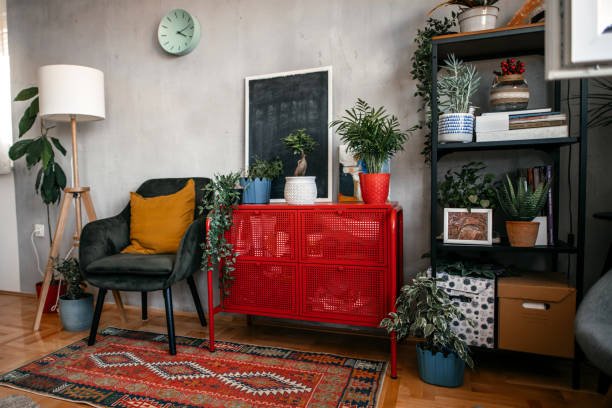
Traditional kilim rugs are flat-woven textiles that originate from regions including Turkey, Persia, Central Asia, and the Middle East. Unlike pile carpets, kilims are woven rather than knotted, resulting in a lightweight and reversible design.
Their unique weaving technique creates bold patterns and striking color combinations that distinguish them from other rug styles.
Key Characteristics of Kilim Rugs
Traditional kilims are known for:
- Flat-weave construction
- Geometric motifs
- Lightweight design
- Handcrafted artistry
- Reversible use
These qualities contribute to their enduring popularity in residential and commercial interiors.
Historical Significance
Historically, kilim rugs served practical and decorative purposes. They were used as floor coverings, wall hangings, storage bags, and ceremonial textiles, making them an important part of cultural heritage across various regions.
The Origins of Traditional Kilim Rug Styles
The history of kilim rugs spans centuries and reflects the traditions of nomadic tribes and artisan communities.
Turkish Kilim Traditions
Turkish kilims are among the most recognized styles worldwide.
Features include:
- Bold geometric patterns
- Rich symbolic motifs
- Vibrant natural dyes
These rugs often tell stories through their designs, representing themes such as fertility, protection, and prosperity.
Persian and Central Asian Influences
Persian kilims tend to feature intricate patterns and refined craftsmanship, while Central Asian examples often showcase strong tribal influences and vibrant color palettes.
These regional differences create a diverse range of styles suitable for various interior design preferences.
Why Kilim Rugs Dubai Suit Modern UAE Interiors
Kilim rugs Dubai are well suited to interiors that need visual character without the bulk of a thick-pile rug. Their flat-woven construction gives them a relatively lightweight profile, making them practical for apartments, villas, majlis areas, bedrooms, and other spaces where flexible placement is useful. Geometric motifs and varied color combinations can work with contemporary, Scandinavian, bohemian, or traditional Arabic-inspired interiors.
In Dubai, where dust and regular indoor use can influence flooring maintenance, the rug’s material, weave, placement, and cleaning requirements should be considered alongside its appearance. For homeowners interested in natural textures, sisal rugs provide another option for creating layered or coordinated natural-fiber interiors.
Timeless Aesthetic Appeal
Kilim rugs effortlessly bridge traditional and modern design styles.
They complement:
- Contemporary interiors
- Bohemian décor
- Scandinavian-inspired spaces
- Arabic-themed homes
Their versatility allows them to serve as focal points or subtle design accents.
Lightweight and Practical Design
Unlike thick carpets, kilim rugs are lightweight and easy to move.
Benefits include:
- Flexible placement
- Easy maintenance
- Layering opportunities
- Convenient storage
These features make them particularly attractive for urban living spaces in Dubai.
Traditional Kilim Rug Styles and Regional Characteristics
Traditional kilim rugs vary considerably by region, weaving tradition, materials, motifs, and color palette. Anatolian kilims are often recognized for geometric compositions and strong visual contrasts, while Persian examples can feature more intricate patterns and nuanced color arrangements. Afghan and Central Asian kilims commonly use tribal-inspired motifs and earthy or saturated tones, although characteristics vary between individual weaving communities and pieces.
When choosing kilim rugs in Dubai, look beyond the regional label and consider the actual weave, fiber composition, dimensions, color consistency, and condition of the rug. This approach is especially useful when comparing a statement piece for a villa or majlis with a more understated design for an apartment. Customers interested in combining kilims with another natural flooring style can also explore sisal carpet options for complementary textures.
Anatolian Kilims
Originating from Turkey, Anatolian kilims feature:
- Geometric motifs
- Bold color contrasts
- Symbolic patterns
These rugs are among the most collectible and visually striking.
Persian Kilims
Persian styles often incorporate:
- Detailed craftsmanship
- Softer color transitions
- Elegant compositions
They are ideal for sophisticated interiors.
Afghan Kilims
Afghan kilims typically feature:
- Earth-toned palettes
- Tribal motifs
- Durable construction
Their rustic charm appeals to homeowners seeking authentic character.
Kilim Rugs Dubai for Luxury Villas
Luxury villas across Dubai increasingly incorporate kilim rugs into their interior designs.
Creating Statement Spaces
Kilim rugs can anchor large rooms while adding warmth and visual depth.
Popular applications include:
- Formal living rooms
- Majlis areas
- Home libraries
- Master bedrooms
Their artistic patterns enhance the overall design narrative.
Complementing High-End Furnishings
Kilim rugs pair beautifully with:
- Solid wood furniture
- Leather seating
- Brass accents
- Natural stone surfaces
This combination creates a sophisticated and timeless aesthetic.
Kilim Rugs Dubai in Contemporary Apartments
Modern apartments often require design solutions that maximize style without overwhelming the space.
Compact Yet Impactful
Kilim rugs provide visual interest without adding excessive bulk.
Benefits include:
- Enhanced room definition
- Increased warmth
- Colorful accents
This makes them ideal for contemporary apartment living.
Layering Techniques
Interior designers frequently layer kilim rugs over:
- Neutral carpets
- Wooden flooring
- Sisal rugs
Layering creates texture and dimension while highlighting the rug’s unique patterns.
Kilim Rugs Compared With Other Rug Styles
Kilim rugs are flat-woven rather than pile rugs, which gives them a thinner profile and distinctive woven texture. Compared with plush or high-pile rugs, they generally offer a firmer surface and can be easier to move and layer, while their patterns often provide a stronger decorative element.
However, the right choice depends on the room and intended use: high-traffic spaces, areas exposed to frequent spills, and rooms requiring greater cushioning may benefit from a different rug construction. Material and construction also matter, so handcrafted kilims should not automatically be assumed to outperform machine-made or synthetic rugs in every performance category. For interiors where a softer or more conventional carpeted surface is preferred, carpet flooring can be considered as an alternative or complementary solution.
Materials Used in Traditional Kilim Rugs
The quality of a kilim rug depends largely on the materials used in its construction.
Wool Kilims
Wool remains the most common material.
Advantages include:
- Durability
- Natural insulation
- Rich color absorption
Wool kilims often age beautifully over time.
Cotton Kilims
Cotton kilims are lighter and softer.
Benefits include:
- Easy maintenance
- Lightweight construction
- Affordable pricing
They are particularly suitable for casual living spaces.
Many homeowners exploring premium Kilim Rugs Dubai options prefer wool-based rugs due to their longevity and authentic appearance.
How to Choose the Right Kilim Rug
Selecting the ideal kilim rug involves several considerations.
Room Size and Layout
Choose rug dimensions that complement the room.
For example:
- Large rugs for open-plan spaces
- Runners for hallways
- Accent rugs for reading corners
Color Coordination
Consider existing décor elements such as:
- Furniture finishes
- Wall colors
- Decorative accessories
A well-coordinated rug enhances overall harmony.
Intended Use
Different spaces require different rug characteristics.
High-traffic areas benefit from durable weaves and darker colors that conceal wear.
Maintaining Traditional Kilim Rugs
Proper maintenance preserves beauty and extends lifespan.
Routine Care
Recommended practices include:
- Regular vacuuming
- Rotating the rug periodically
- Avoiding prolonged direct sunlight
These steps help maintain even wear and color consistency.
Cleaning Recommendations
For deeper cleaning:
- Use professional rug cleaning services
- Address spills promptly
- Avoid harsh chemicals
Proper care helps preserve fibers and colors.
Kilim Rugs Dubai Design Trends
Kilim rugs continue to evolve alongside contemporary design trends.
Bohemian Interiors
Bohemian-inspired spaces often feature:
- Layered textiles
- Eclectic patterns
- Natural materials
Kilim rugs are central to achieving this aesthetic.
Modern Minimalism
In minimalist interiors, kilim rugs provide:
- Subtle texture
- Strategic color accents
- Visual warmth
Their flat-weave design complements clean architectural lines.
Sustainable Interior Design
As sustainability gains importance, handcrafted kilim rugs appeal to environmentally conscious consumers seeking durable and artisanal home décor.
Common Mistakes to Avoid When Buying Kilim Rugs
Understanding common mistakes helps buyers make informed decisions.
Choosing Style Over Function
While aesthetics matter, durability and suitability for the intended space are equally important.
Ignoring Material Quality
Authentic materials contribute significantly to longevity and appearance.
Purchasing Incorrect Sizes
Improper sizing can disrupt room balance and functionality.
Always measure carefully before selecting a rug.
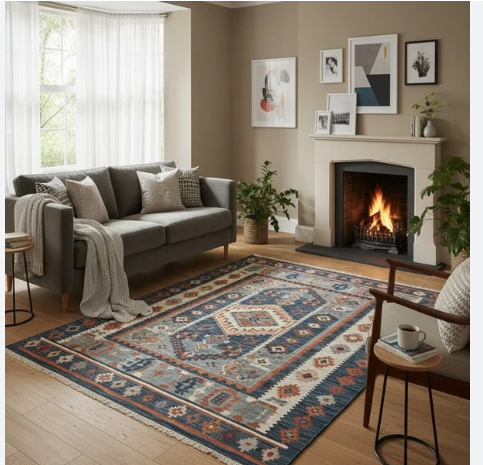
Key Takeaways About Traditional Kilim Rugs
Before purchasing a kilim rug, remember these essential points:
- Kilim rugs combine tradition with contemporary appeal.
- They are lightweight, durable, and versatile.
- Wool kilims offer exceptional longevity.
- Traditional patterns add cultural richness to interiors.
- Proper maintenance preserves their beauty.
- They complement a wide range of design styles.
Following these principles helps ensure a successful investment.
Enhance Your Interiors with Authentic Kilim Rugs Dubai
Traditional kilim rugs continue to captivate homeowners and designers with their timeless beauty, cultural significance, and remarkable versatility. Whether you are decorating a luxury villa, upgrading a modern apartment, furnishing a hospitality venue, or creating a cozy reading corner, these handcrafted textiles offer a unique blend of style and practicality.
Their vibrant patterns, rich heritage, and durable construction make them an excellent addition to both classic and contemporary interiors. By selecting high-quality materials and designs that complement your space, you can enjoy the lasting elegance that kilim rugs bring to any environment.
Explore premium Kilim Rugs Dubai collections today and discover how traditional craftsmanship can transform your interior spaces with character, warmth, and enduring sophistication.
Frequently Asked Questions
Q1: What are kilim rugs?
A: Kilim rugs are traditionally flat-woven rugs made without a conventional pile. They are known for geometric designs, woven patterns, and regional craftsmanship.
Q2: Why are kilim rugs popular in Dubai?
A: Their relatively lightweight construction, distinctive patterns, and ability to complement both contemporary and traditional interiors make them suitable for many Dubai homes and commercial spaces.
Q3: What are the main types of traditional kilim rugs?
A: Commonly discussed traditions include Anatolian or Turkish, Persian, Afghan, and Central Asian kilims. Individual pieces can vary significantly within each regional tradition.
Q4: Are kilim rugs suitable for modern interiors?
A: Yes. Their geometric patterns and flat profile can complement minimalist, contemporary, Scandinavian, bohemian, and traditional interiors.
Q5: Are kilim rugs durable?
A: Durability depends on the fiber, weave density, construction quality, and amount of use. A well-made kilim can perform well when selected and maintained appropriately for its intended setting.
Q6: Are kilim rugs suitable for apartments in Dubai?
A: Yes. Their relatively lightweight construction makes them convenient for apartment interiors where rugs may need to be repositioned or layered.
Q7: Can kilim rugs be used in majlis areas?
A: Yes. Traditional kilim patterns can complement majlis interiors, particularly when their colors and motifs coordinate with seating, furniture, walls, and other decorative elements.
Q8: How do kilim rugs differ from pile rugs?
A: Kilims are flat woven and do not have the conventional raised pile found in many Persian, shag, or plush rugs. This gives them a thinner profile and a different texture underfoot.
Q9: Can kilim rugs be layered with other rugs?
A: Yes. Their relatively thin profile can make them suitable for layering over compatible flooring or rugs, provided the combination is stable and does not create a trip hazard.
Q10: What should I check before buying kilim rugs in Dubai?
A: Check the rug’s dimensions, fiber composition, weave, construction quality, pattern, color, condition, intended room, and maintenance requirements. For valuable or handmade pieces, ask for accurate information about their origin and craftsmanship.