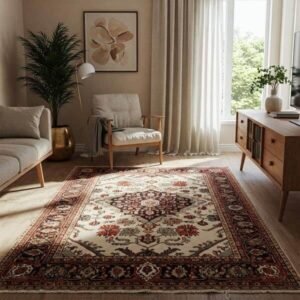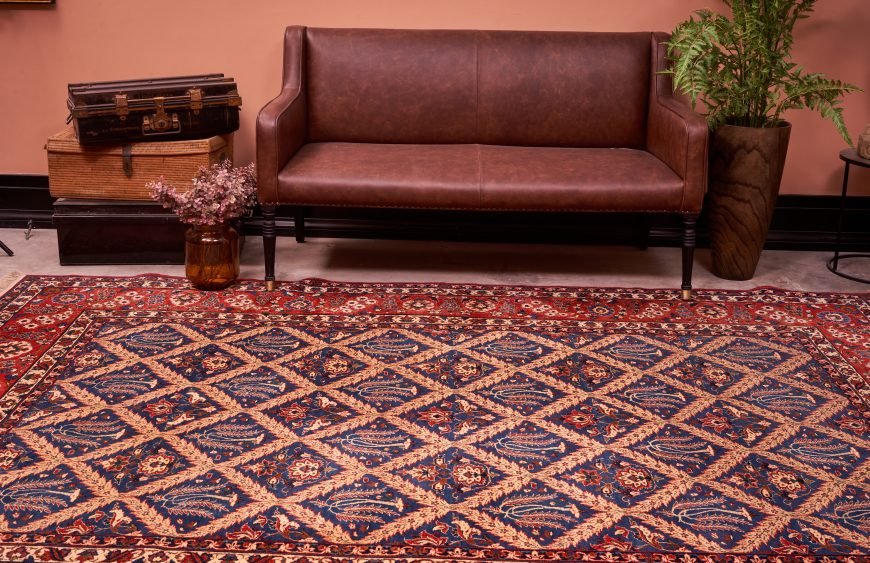
Carpets have long played a central role in shaping the comfort, warmth, and character of interior spaces. Beyond simply covering the floor, they influence acoustics, insulation, and the overall atmosphere of a room. In both homes and professional environments, higher-quality floor coverings are often chosen not only for their appearance but also for their durability and feel underfoot.
Luxury-grade options stand apart because of their materials, craftsmanship, and long-term performance. They are designed to last longer, feel softer, and present richer textures and patterns compared to standard alternatives. Understanding what defines premium carpeting helps you make informed decisions about style, care, and suitability for different settings.
This guide explores the essential features, construction methods, maintenance practices, and environmental considerations that distinguish luxury carpets and explains how they can enhance both comfort and design.
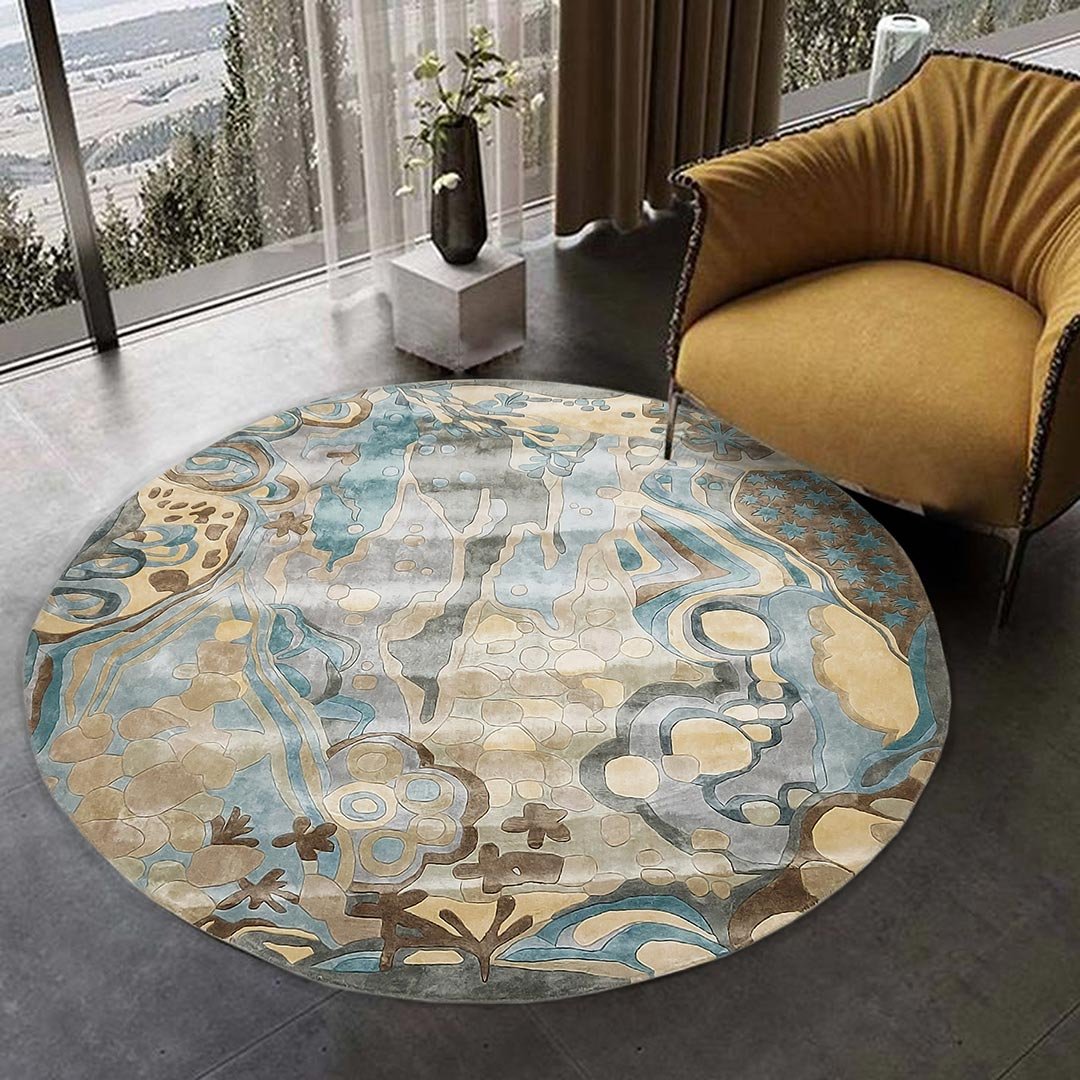
Exploring premium fibers and weaving techniques that define high-end carpet quality
The defining factor of a luxury carpet is its material composition and the techniques used to construct it. Higher-end fibers offer better resilience, texture, and longevity, creating a noticeably superior surface.
Common premium fibers include:
- Wool for natural softness and insulation
- Silk blends for sheen and elegance
- High-density nylon for durability
- Natural plant fibers for organic texture
Construction methods also make a significant difference. Hand-knotting, tufting, and woven techniques affect how tightly the fibers are secured and how the carpet feels when walked on. Dense weaves generally indicate greater durability and resistance to flattening.
Many homeowners researching high-end flooring begin by exploring collections of luxury carpets to understand how fiber density, pile height, and craftsmanship influence overall quality. These features determine how well the carpet retains its appearance over years of daily use.
Ultimately, superior materials and thoughtful construction produce a surface that feels substantial, comfortable, and refined.
How texture, pile height, and density influence comfort and appearance at home
Texture plays a powerful role in how a carpet looks and feels. Even subtle differences in pile height or density can dramatically change the experience underfoot.
Key characteristics to evaluate include:
Pile height
- Short pile: easier to clean and more durable
- Medium pile: balanced comfort and practicality
- High pile: plush, soft, and luxurious feel
Density
- Higher density improves resilience
- Reduces matting and crushing
- Extends lifespan
Texture
- Smooth finishes create a modern look
- Looped designs add durability
- Patterned textures introduce visual depth
Comfort is not just about softness. A dense, well-supported surface can reduce fatigue and provide insulation, making rooms warmer and quieter. These subtle improvements contribute to a more pleasant daily living experience.
By understanding these factors, you can match texture and structure to your space’s functional needs without sacrificing style.
Differences between handcrafted rugs and machine-made luxury alternatives
Luxury carpets can be produced either by hand or machine, and each method offers distinct advantages.
Handcrafted options
- Individual knots or stitches
- Unique character and subtle variations
- Often higher artistic value
- Time-intensive production
Machine-made options
- Consistent patterns
- Faster manufacturing
- More affordable than handmade
- Excellent durability with modern technology
Handcrafted pieces are often appreciated for their cultural heritage and artistry, while machine-made carpets provide precision and scalability. Both can meet luxury standards when premium fibers and dense constructions are used.
The decision often comes down to personal preference: whether you value traditional craftsmanship or contemporary efficiency. Either way, quality materials remain the most important factor.
Proper cleaning methods that protect delicate materials and extend lifespan
Maintenance is essential to preserving both the appearance and performance of high-end carpeting. Luxury fibers deserve careful treatment to prevent damage or premature wear.
Daily and weekly care steps include:
- Vacuuming regularly to remove dirt and dust
- Addressing spills immediately
- Using gentle cleaning solutions
- Rotating furniture placement to prevent indentations
For deeper cleaning:
- Use low-moisture or dry extraction methods
- Avoid harsh chemicals or bleach
- Test cleaners on a small area first
- Consider professional cleaning periodically
Delicate fibers such as wool and silk can shrink or discolor if exposed to excessive water or aggressive scrubbing. Following proper care practices ensures the carpet maintains its texture and color for many years.
Regular upkeep not only protects the investment but also improves indoor air quality by minimizing trapped allergens.
Styling ideas for pairing carpets with modern, classic, and minimalist interiors
Luxury carpeting can transform the look and feel of any room. The right style complements furniture, lighting, and architectural features while adding warmth and depth.
Modern interiors
- Neutral tones and subtle textures
- Clean geometric patterns
- Low to medium pile heights
Classic spaces
- Rich colors and ornate motifs
- Traditional weaves
- Decorative borders
Minimalist designs
- Soft monochromes
- Natural fibers
- Simple, understated patterns
Layering techniques also add visual interest. For example, placing flat-woven textiles such as kilim rugs for sale over broader carpeted areas can introduce pattern without overwhelming the room. This approach creates contrast while maintaining comfort.
Thoughtful styling allows carpets to serve as both functional flooring and a central design element.
Environmental considerations and natural fiber options for sustainable décor
Sustainability has become increasingly important when selecting interior materials. Carpets made from renewable or recyclable fibers offer a more environmentally conscious alternative to synthetic-only products.
Eco-friendly considerations include:
- Renewable natural fibers
- Low-emission manufacturing processes
- Biodegradable materials
- Long product lifespans
Plant-based fibers are especially attractive for their minimal environmental footprint. Options such as sisal, coir, and jute carpet provide durability while maintaining an organic, earthy aesthetic. These materials are breathable and often require fewer chemicals during production.
Choosing sustainable flooring reduces waste and supports healthier indoor environments. Many modern luxury products now balance performance with environmental responsibility, making it easier to align design choices with ecological values.
Conclusion
Luxury carpets represent a blend of superior materials, refined craftsmanship, and thoughtful design. From dense weaves and soft textures to improved insulation and acoustic benefits, they enhance both comfort and visual appeal. With proper care and informed selection, these carpets can serve as long-lasting foundations for a variety of interior styles.
Understanding fiber types, construction methods, cleaning practices, and sustainability options allows you to choose flooring that suits your needs while delivering enduring quality. A well-chosen carpet does more than decorate a room—it contributes to a more comfortable and welcoming living environment.
FAQs
What makes a carpet qualify as luxury compared to standard options?
Luxury carpets typically use higher-quality fibers, denser construction, and refined craftsmanship, resulting in greater durability, comfort, and visual appeal.
Which materials are considered the most durable for premium carpets?
Wool, high-density nylon, and certain natural fiber blends are known for strength, resilience, and long-term performance.
How often should luxury carpets be professionally cleaned?
Most benefit from professional cleaning every 12 to 18 months, depending on traffic and usage levels.
Are natural fiber carpets suitable for humid climates?
Some natural fibers perform well in moderate humidity, but proper ventilation and moisture control are important to prevent mold or warping.
How do kilim and jute styles differ from plush carpet designs?
Kilim and jute styles are typically flat-woven and textured, offering a lightweight, natural look, while plush carpets focus on softness and thicker pile for added comfort.