When it comes to achieving a flawless, polished look in your home, the details matter—and few details are as impactful as floor skirting. Often overlooked, skirting boards serve as the elegant bridge between your walls and flooring, transforming raw edges into refined transitions while offering essential protection for your walls. Beyond their aesthetic contribution, floor skirting boards conceal unsightly gaps, hide uneven surfaces, and safeguard against scuffs from furniture and daily activity. Available in a variety of materials—including wood, MDF, vinyl, and PVC—and an array of styles and colors, skirting boards can complement any interior design scheme. This guide explores the types, benefits, and installation considerations of floor skirting, helping you elevate your space with this simple yet transformative finishing touch.
Want to have a perfect space with a smooth and stylish look? Floor skirting is the most familiar and the most important one as far as the home fitting goes. This floor skirting in older days was used when wall work was done, to create a border between the two. But now, floor skirting provides a tough barrier between the walls and furniture and prevents knocks. In home whether new or old there are traces of untidy paintwork or wiring that is odd to see. Floor skirting is an ideal option to cover these common issues and an affordable way to add a smooth touch to your décor. Even in new constructed places there can be millimeter differences or gaps seen on the floor. To overcome this, new techniques of floor skirting provide the simple solution for hiding those gaps along with creating a pleasing look. Along with creating a gap between the wall and the floor, floor skirting also protects the wall from kicks, abrasions and scrapes due to furniture installation and reinstallation. Floor skirting is a smart way of covering up the uneven surfaces, rugged floor or wall edges.
The main types of floor skirting differ in material, appearance, moisture tolerance, maintenance requirements, and installation characteristics. Wood and MDF can provide a traditional or painted finish, while vinyl and PVC options are useful where easy cleaning and greater resistance to everyday moisture are priorities.
The right choice depends on the flooring, wall finish, room conditions, and desired appearance rather than material alone. For example, vinyl carpet flooring can be paired with a suitable skirting detail to create a practical, coordinated finish, while carpet installations may require attention to the transition and perimeter detailing during professional carpet fixing.
Types of floor skirting
There are many types of floor skirting, you can select according to your need and taste.
- The simplest floor skirting consists of a baseboard with a simple plank nailed, screwed or glued. Also made with different molding for decorative purposes.
- Plastic floor skirting comes in various plastic compounds, the most common is the UPVC. They are in a flexible version and in various colors. These are glued with adhesive and difficult to remove or replace it. But has a long-life span and low maintenance.
- Wooden floor skirting is available in various versions, such as the pre painted, which is made of a single piece or finger jointed wood.
- Medium density fiberboards or commonly known as MDF are a type of floor skirting boards that along with its function add a class to any room of your house. It is a cheap and durable material made out of compressed fibers. MDF floor skirting has properties of working out with both traditional and contemporary decors.
- Vinyl floor skirting is also another type of skirting board, that provides a clean, finishing touch on homes’ different spaces. They create a beautifully clean look around your patio, deck and stairs adding an appealing look. This type of vinyl floor skirting has a built-in flexibility to accommodate air flow that requires ventilation for the room.
Before you have floor skirting, it is advised to select trained professionals in analyzing your space to identify out the perfect type of floor skirting for you. They are responsible to give quality service and makes it easier for the customer, so they just have to choose and leave the rest to them.
Why Consider Floor Skirting for Your Flooring?
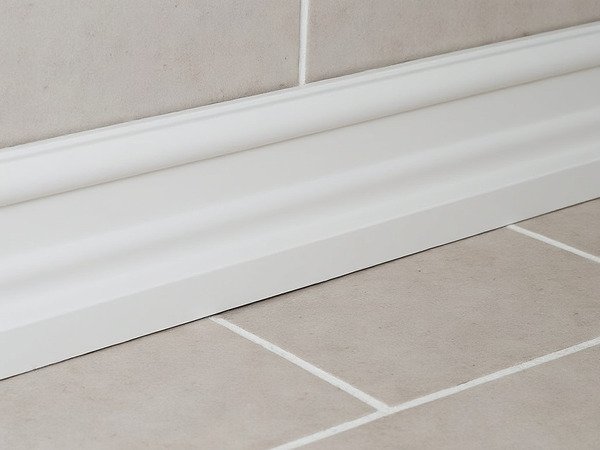
Floor skirting, also known as skirting boards or baseboards, provides both a practical and finished appearance at the junction between the wall and floor. It can help protect lower wall surfaces from everyday scuffs caused by furniture, cleaning equipment, and foot traffic, while also concealing small perimeter gaps or uneven edges left after flooring installation.
In Dubai interiors, where regular dust and cleaning can place additional demands on lower wall surfaces, a properly fitted skirting detail can make routine maintenance easier and create a cleaner transition. When planning a complete flooring project, professional carpet flooring solutions can be coordinated with appropriate finishing details such as skirting for a more consistent result.
Key reasons to consider floor skirting include:
- Wall Protection: Skirting shields walls from scuffs, scratches, and damage caused by furniture, vacuums, or daily foot traffic.
- Aesthetic Appeal: It creates a polished, seamless transition between the floor and walls, enhancing the overall look of the room.
- Easier Cleaning: Skirting prevents dust, dirt, and debris from accumulating in gaps between the floor and walls, making cleaning simpler.
- overs Imperfections: It hides uneven edges, expansion gaps, or imperfections in flooring installation, giving a neat, finished appearance.
- Versatility: Available in various materials, heights, and styles, skirting can complement different flooring types and interior designs.
Floor skirting should be considered as part of the overall flooring finish rather than as an isolated decorative feature. Before installation, the wall and floor junction should be checked for significant unevenness, loose material, or conditions that could affect the fit. Skirting can then conceal minor perimeter imperfections and provide a defined edge between the finished floor and wall, while also helping protect the lower wall from everyday impacts.
The exact height, material, profile, and fixing method should be selected according to the flooring type, wall condition, room use, and desired finish. Where carpet is being installed or replaced, carpet underlay may also be relevant to the overall flooring system, depending on the carpet and installation requirements.
frequently asked questions about Why consider floor skirting
Q: What is floor skirting?
A: Floor skirting is a board or trim installed along the bottom of a wall where it meets the floor. It helps protect the wall and creates a finished transition between the two surfaces.
Q: Why is floor skirting important?
A: It helps protect lower walls from scuffs and impacts while concealing minor gaps or imperfections around the floor perimeter and improving the finished appearance of a room.
Q: What are the main types of floor skirting?
A: Common types include wood, MDF, vinyl, and PVC skirting. They differ in appearance, moisture tolerance, maintenance requirements, durability, and installation characteristics.
Q: Is vinyl floor skirting a good option?
A: Vinyl skirting can be a practical option where easy cleaning and resistance to everyday moisture are important. Its suitability depends on the room and the flooring system.
Q: Can floor skirting be used with carpet flooring?
A: Yes. Skirting can provide a finished edge where carpet meets the wall and can help protect the lower wall from everyday contact and cleaning equipment.
Q: Can floor skirting hide gaps between the floor and wall?
A: It can conceal minor perimeter gaps and uneven edges. However, significant substrate or wall defects should be corrected rather than relying on skirting to hide them.
Q: How do I choose the right floor skirting?
A: Consider the flooring material, wall finish, room conditions, moisture exposure, required maintenance, profile, height, and overall interior design.
Q: Is floor skirting suitable for Dubai homes?
A: Yes. It can be useful in Dubai homes for protecting lower walls from everyday scuffs and creating a clean finished edge, particularly where regular cleaning is required.
Q: Does floor skirting need professional installation?
A: Professional installation can provide cleaner joints, accurate corners, consistent alignment, and a better fit around uneven areas. The appropriate fixing method depends on the skirting material and wall condition.
Q: Can floor skirting be used with different flooring types?
A: Yes. Skirting can be used with carpet and many hard-floor systems, but the profile, height, and installation details should be selected to suit the specific flooring and wall conditions.