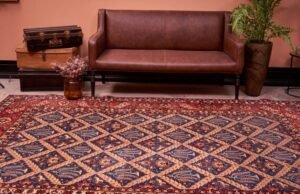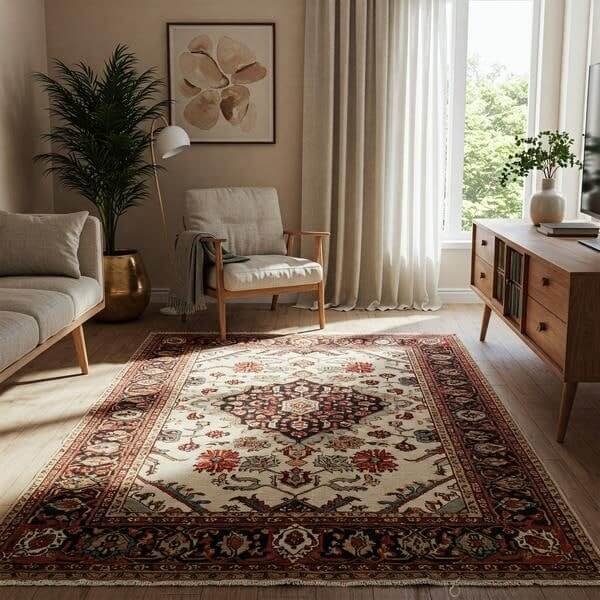
Decorating a home with handcrafted textiles adds character, warmth, and cultural depth that factory-made pieces rarely match. Among the most admired options are flatwoven kilim rugs, known for their geometric patterns, vibrant dyes, and durable structures. Yet choosing the right one can feel overwhelming, especially when browsing digitally without the benefit of touching or inspecting the weave in person.
Shopping online requires a stronger understanding of materials, craftsmanship, and care. When you know what to look for, you can confidently evaluate quality, authenticity, and suitability for your space. This guide walks through every key factor to help you make informed decisions and select a rug that truly complements your home.

Understanding the history and weaving techniques behind traditional kilim textiles and their regional patterns
Kilim rugs originate from regions across Turkey, Iran, the Caucasus, Central Asia, and North Africa. Each area developed its own weaving traditions, symbolic motifs, and color palettes. These differences are not merely decorative; they tell stories of cultural identity, daily life, and local resources.
Unlike knotted rugs, kilims are flatweaves created by interlacing warp and weft threads. This technique produces a lighter, reversible textile without a pile. Because of this structure, designs appear crisp and graphic rather than plush.
Key historical features to recognize:
- Tribal geometric shapes representing protection or fertility
- Natural vegetable dyes producing earthy reds, indigos, and ochres
- Hand-spun wool with slight irregularities that signal authenticity
- Regional layouts such as medallions, stripes, or repeating motifs
Understanding these elements helps you distinguish genuine handmade pieces from machine-made reproductions.
How material types, dyes, and craftsmanship affect durability and long-term performance in daily use
The longevity of a kilim largely depends on its fibers and construction quality. Traditional rugs use wool because it is resilient, stain-resistant, and naturally insulating. Some modern pieces incorporate cotton or blends for lighter weight and affordability.
Pay attention to:
- Fiber density: tighter weaving equals greater durability
- Natural dyes: age gracefully and resist fading
- Edge finishing: strong selvedges prevent fraying
- Even tension: indicates skilled workmanship
Natural fiber rugs share characteristics with other plant-based or organic flooring. If you are exploring different eco-friendly options for comparison, you might also study materials such as jute carpets, which offer softness and sustainability but behave differently in terms of moisture and wear.
By comparing fibers, you gain perspective on which material best suits your lifestyle and room conditions.
Step by step process to evaluate size, layout, and room placement for balanced interior styling
Choosing the right size is just as important as selecting the design. A rug that is too small can look disconnected, while an oversized one may overpower the room.
Follow this simple process:
- Measure the room and furniture arrangement
- Decide whether the rug will anchor furniture or define a zone
- Leave consistent margins around edges (typically 8–18 inches)
- Match the rug’s proportions to the room’s shape
- Visualize placement using tape or digital layout tools
For example:
- Living rooms: front legs of sofas and chairs on the rug
- Dining rooms: extend beyond chairs when pulled out
- Bedrooms: wide coverage around the bed for comfort
Planning carefully ensures harmony between furniture and textile.
Differences between flatweave structures and pile rugs and how each impacts comfort and care
Flatweaves and pile rugs serve different purposes. Understanding the distinction prevents mismatched expectations.
Flatweave advantages:
- Lightweight and easy to move
- Reversible for longer life
- Low profile for door clearance
- Simple to vacuum and clean
Pile rug advantages:
- Softer underfoot
- Warmer and cushioned feel
- Better sound absorption
Flatweaves like kilims are ideal for high-traffic areas, hallways, and layered styling. Pile rugs may suit bedrooms or lounging spaces where plush comfort matters more.
When browsing collections of kilim rugs online, look for thickness measurements and weave tightness to gauge how the rug will feel in daily use.
Cleaning, maintenance, and protection practices to extend the life of natural fiber floor coverings
Proper care significantly extends a rug’s lifespan. Because kilims lack pile, dirt sits closer to the surface and can be removed more easily with consistent maintenance.
Best practices include:
- Vacuum weekly without a rotating brush
- Shake outdoors to release trapped dust
- Spot clean spills immediately with mild soap
- Rotate every few months to distribute wear
- Avoid prolonged direct sunlight
For deeper cleaning, professional washing is recommended rather than heavy soaking at home. Excess moisture can weaken fibers or cause dye bleeding.
Using a breathable rug pad also protects the weave and reduces slippage, which helps preserve both the rug and your flooring.
Common mistakes beginners make when researching authentic handcrafted rugs and how to avoid them
Many first-time buyers rely solely on photographs or price comparisons, which can lead to disappointment. Avoid these frequent pitfalls:
Mistake 1: Ignoring material descriptions
Always verify fiber content and weaving method.
Mistake 2: Choosing style over practicality
A delicate antique might not suit a busy family space.
Mistake 3: Overlooking environmental factors
Humidity, spills, and heavy foot traffic affect performance.
Mistake 4: Forgetting underlay support
Without padding, edges wear faster and comfort decreases.
Mistake 5: Confusing all natural fibers as identical
Some options behave very differently. Reviewing factors like moisture resistance and durability can help, especially when weighing details such as the sisal carpet pros and cons compared with other fibers.
Thoughtful research leads to better long-term satisfaction.
Evaluating authenticity and craftsmanship when buying from digital listings and photos
Online shopping requires careful interpretation of images and descriptions. Since you cannot inspect the rug physically, pay attention to small visual clues.
Look for:
- Close-up shots showing weave texture
- Slight irregularities that indicate handwork
- Natural dye variations rather than flat colors
- Clear measurements and thickness details
- Reputable descriptions of origin or technique
If possible, request additional photos or videos to see how the rug drapes and reflects light. Authentic pieces often have character that machine-made copies lack.
Reading customer reviews and learning seller transparency practices can further increase confidence.
Comparing sustainability benefits of wool, cotton, and plant-based natural fibers for eco-friendly homes
Sustainability is a major reason many people choose handmade textiles. Natural fibers generally require less energy to produce and biodegrade more easily than synthetics.
Here’s a quick comparison:
- Wool: renewable, resilient, naturally stain resistant
- Cotton: lightweight and breathable but less durable
- Plant fibers: biodegradable and textured, may be sensitive to moisture
Wool kilims strike a balance between durability and environmental responsibility. They last longer, which reduces replacement frequency and waste. Selecting high-quality materials supports both sustainable living and practical performance.
Styling ideas for integrating kilim rugs into modern, classic, and eclectic interiors seamlessly
Kilim rugs are surprisingly versatile. Their patterns can complement minimal spaces or enrich layered décor.
Styling suggestions:
- Pair geometric kilims with modern neutral furniture
- Layer smaller pieces over larger natural rugs
- Use runners to add color to hallways
- Place bold designs as statement pieces in simple rooms
- Combine with leather, wood, and linen textures for warmth
Because they are reversible and lightweight, you can easily refresh layouts seasonally or experiment with different placements.
Conclusion
Selecting an authentic kilim rug online becomes much easier when you understand weaving traditions, fiber qualities, sizing strategies, and maintenance needs. With thoughtful research and attention to craftsmanship, you can confidently choose a piece that enhances both aesthetics and practicality. A well-made kilim is not just décor—it is a functional work of art that grows more beautiful with time.
FAQs
What makes kilim rugs different from other handmade rugs?
They are flatwoven without a pile, making them lighter, reversible, and more graphic in design compared to knotted rugs.
How do I identify authentic craftsmanship and weaving quality?
Look for tight weaving, natural fibers, subtle irregularities, and detailed photos showing texture and edges.
Are flatweave rugs suitable for high-traffic areas?
Yes, their low profile and durable structure make them ideal for hallways, living rooms, and entryways.
How should natural fiber rugs be cleaned safely at home?
Vacuum regularly, spot clean spills promptly, and avoid excessive moisture to protect fibers and dyes.
What room styles work best with traditional kilim patterns?
They adapt well to modern, rustic, eclectic, and classic interiors, adding color and cultural character to any space.