When it comes to selecting flooring that combines durability, natural beauty, and eco-friendliness, few options match the versatility of natural fiber carpets. Sisal carpets, in particular, have gained popularity for their unique texture and long-lasting performance. They are crafted from the fibers of the agave plant, resulting in a strong and resilient material that can withstand high foot traffic while adding warmth and style to any room. Understanding the features, maintenance requirements, and suitability of sisal carpets is essential before making a choice for your home.
In addition to sisal, other natural fiber options like seagrass and coconut fibers offer different textures, benefits, and uses. Comparing these materials helps homeowners select the perfect fit for various spaces, balancing comfort, aesthetics, and practicality. This article will guide you through the key factors to consider when choosing natural fiber carpets, ensuring you make an informed and lasting investment.
By exploring the nuances of sisal carpets, sea grass carpet, and coconut carpet, you can create a home interior that is not only stylish but also environmentally conscious.
Understanding the Unique Texture and Durability of Sisal Carpets
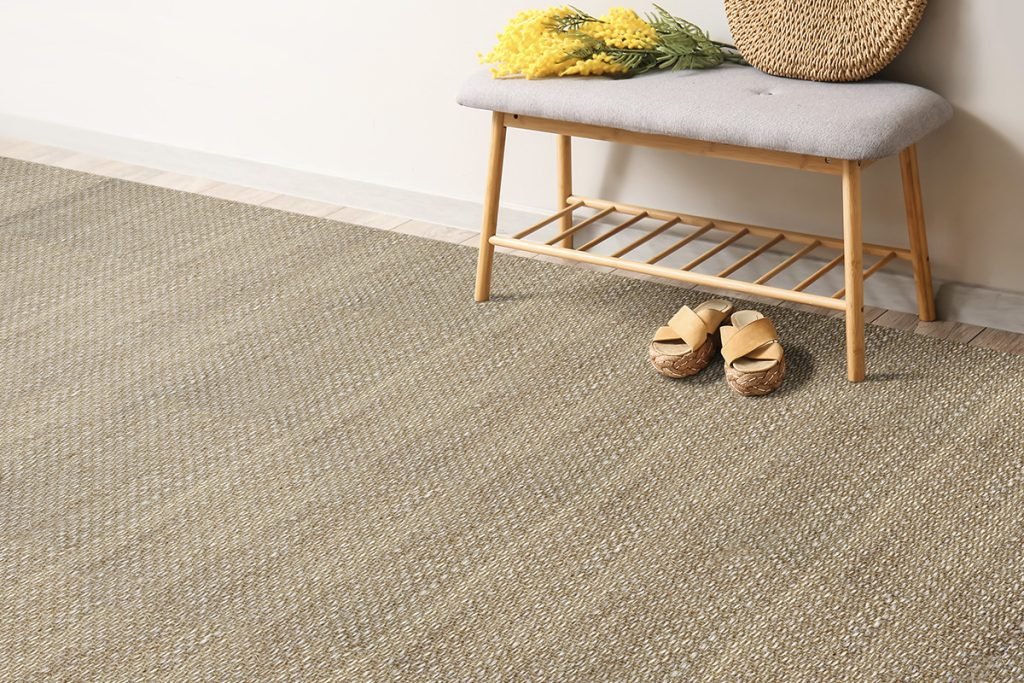
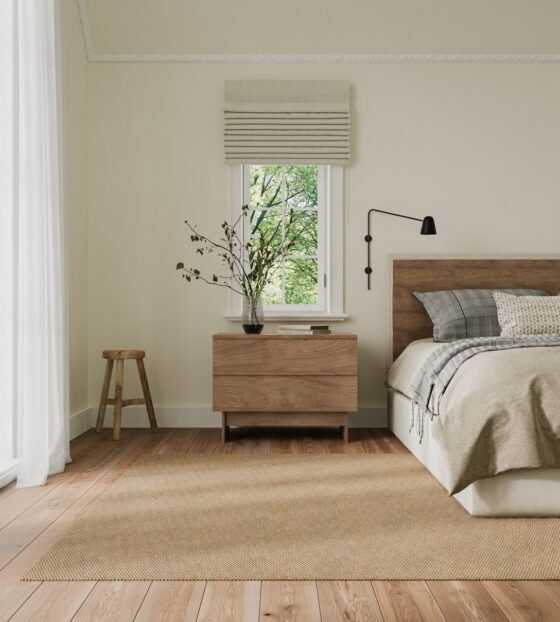
Sisal carpets are renowned for their natural strength and coarse texture, which makes them highly durable and resistant to wear. The fibers are tightly woven, producing a surface that can endure heavy foot traffic without losing its structure or appearance. This makes them suitable for living rooms, hallways, and other areas where frequent movement occurs.
The texture of sisal is slightly rougher compared to synthetic carpets, offering a firm and resilient feel underfoot. While this may not provide the plush softness of wool or cotton rugs, it adds a tactile dimension that many homeowners appreciate for its natural aesthetic. Sisal fibers also have a subtle sheen, giving the carpet a refined, elegant look that complements various interior styles, from modern minimalism to rustic decor.
Additionally, sisal carpets are naturally resistant to static electricity, reducing the attraction of dust and hair, which is especially beneficial for households with pets. Over time, the fibers can soften slightly, creating a more comfortable feel while maintaining structural integrity. Proper maintenance, including regular vacuuming and spot cleaning, helps prolong their lifespan and preserve the carpet’s appearance.
Comparing Sea Grass Carpet to Other Natural Fibers for Home Use
Sea grass carpets are another type of natural fiber flooring, harvested from coastal wetlands and water plants. Unlike sisal, sea grass has a smooth, slightly waxy surface that is naturally water-resistant, making it ideal for areas prone to moisture such as bathrooms, kitchens, and entryways.
In comparison to sisal, sea grass carpets:
- Offer a slightly softer texture underfoot, though still firm
- Possess a naturally uniform color, ranging from pale beige to light olive tones
- Are generally less durable in high-traffic areas, as the fibers can compress over time
Sea grass carpets also require less frequent cleaning than sisal due to their smooth surface, which prevents dirt from embedding deeply. However, they may be more prone to fraying at edges if not properly bound. Combining sisal and sea grass in different areas of the home can create a layered texture aesthetic, balancing durability with tactile variation.
For homeowners seeking a natural alternative to synthetic flooring, sea grass carpet presents a versatile option that complements the rugged durability of sisal while providing additional moisture resistance.
Benefits of Using Coconut Carpet in High-Traffic Areas
Coconut carpets, also known as coir mats, are derived from the fibrous husks of coconuts. They are exceptionally strong and resilient, making them perfect for entryways, hallways, or mudrooms where dirt, sand, and moisture may be introduced. The coarse texture of coir fibers provides excellent scraping capabilities, effectively removing debris from shoes before entering the home.
Some of the advantages of coconut carpet include:
- High resistance to moisture and mold due to natural water-resistant properties
- Longevity and durability even under heavy foot traffic
- Biodegradability, making them an environmentally friendly choice
- Compatibility with natural and neutral interior color palettes
Coir mats can be used both indoors and outdoors, adding versatility to your flooring design. They can also be layered beneath other rugs or carpets to provide an additional barrier against dirt and wear. While the texture is rough, it becomes more comfortable over time, blending practicality with a natural aesthetic.
How to Maintain and Clean Sisal Carpets Effectively
Maintaining sisal carpets is crucial for preserving their natural beauty and longevity. Unlike synthetic carpets, sisal requires careful handling to prevent damage from moisture, harsh chemicals, and excessive abrasion. The following tips provide a comprehensive approach to sisal carpet care:
- Regular Vacuuming: Use a suction-only vacuum to remove dust and dirt. Avoid beater bars, which can fray the fibers.
- Spot Cleaning: Blot spills immediately using a clean, dry cloth. For tougher stains, use a mild soap solution sparingly and avoid saturating the fibers.
- Rotation: Rotate rugs periodically to ensure even wear and reduce fading from sunlight exposure.
- Avoid Moisture: Keep sisal carpets away from areas prone to high humidity or frequent spills, as water can weaken the fibers.
- Professional Cleaning: For deep cleaning, hire specialists familiar with natural fiber carpets to prevent shrinkage or damage.
By following these guidelines, sisal carpets can maintain their aesthetic appeal and structural integrity for years, making them a worthwhile investment for eco-conscious homeowners.
Eco-Friendly Advantages of Natural Fiber Carpets Over Synthetic Options
Natural fiber carpets, including sisal, sea grass, and coir, offer significant environmental benefits compared to synthetic alternatives. These materials are renewable, biodegradable, and often harvested using sustainable methods. Some key eco-friendly advantages include:
- Reduced reliance on petrochemical-based products, lowering the carbon footprint
- Minimal off-gassing, improving indoor air quality
- Durability that reduces the frequency of replacement, minimizing landfill waste
- Natural texture and color, eliminating the need for chemical dyes
Using natural fiber carpets not only benefits the environment but also supports healthier indoor living spaces. Homeowners can enjoy a natural aesthetic while contributing to sustainable design practices, making sisal, sea grass, and coir attractive choices for conscious consumers.
How Sisal Carpets Affect Indoor Air Quality and Allergen Levels
Sisal carpets have properties that can influence indoor air quality and allergen management. Unlike synthetic carpets, natural fibers are hypoallergenic and do not trap dust, dander, or pollen as readily. Their coarse texture allows for easier cleaning and dust removal, which is particularly beneficial for individuals with allergies.
Key points regarding indoor air quality include:
- Sisal carpets naturally resist static, reducing the accumulation of dust particles
- Regular vacuuming prevents dust buildup in the fibers
- Avoiding wet cleaning methods helps maintain structural integrity and prevents mold growth
By selecting sisal carpets and maintaining them properly, homeowners can enjoy cleaner, healthier indoor environments while benefiting from the durability and aesthetic appeal of natural fibers.
Conclusion
Choosing the best natural fiber carpet for your home requires an understanding of the unique characteristics, durability, and maintenance needs of each material. Sisal carpets offer a firm, durable option that complements a wide range of interior styles. Sea grass carpet provides moisture resistance and a smooth texture suitable for certain areas, while coconut carpet excels in high-traffic and entryway spaces.
By evaluating the specific needs of each room, considering foot traffic, environmental factors, and lifestyle requirements, homeowners can make informed choices that balance practicality, sustainability, and aesthetic appeal. Natural fiber carpets are an investment not only in style but in long-lasting, eco-friendly home design.
FAQs
What are sisal carpets made of?
Sisal carpets are made from the fibers of the agave plant. These fibers are harvested, dried, and twisted into threads that are woven into durable carpets suitable for high-traffic areas.
How long do sisal carpets typically last?
With proper maintenance, sisal carpets can last 10 to 15 years or more. Their natural durability and resistance to wear make them a long-term flooring option for homes.
Are sisal carpets suitable for pets?
Yes, sisal carpets are generally suitable for pets because they are durable and resistant to scratches. However, their coarse texture may not be as comfortable for pets to lie on compared to softer materials.
How do sisal carpets compare to jute or hemp carpets?
Sisal is stronger and more durable than jute, making it better for high-traffic areas. Hemp is similar in strength but has a different texture and aesthetic. Sisal also resists moisture and static better than jute.
Can sisal carpets be used in bathrooms or kitchens?
Sisal carpets are not recommended for areas with high moisture like bathrooms, as excessive water can damage the fibers. For kitchens or areas with occasional spills, prompt cleaning and use of protective mats can help maintain longevity.
What cleaning methods are best for sisal carpets?
Vacuuming with suction-only devices and spot cleaning with mild soap solutions are recommended. Avoid soaking the carpet or using harsh chemicals to preserve its structure.
Do natural fiber carpets affect indoor air quality?
Yes, natural fiber carpets like sisal, sea grass, and coir tend to be hypoallergenic, resist static, and allow dust to be cleaned easily, contributing to improved indoor air quality compared to synthetic carpets.
Can sisal carpets soften over time?
Yes, while sisal carpets start with a firm texture, regular use can soften the fibers slightly, creating a more comfortable feel while maintaining durability.
Are there eco-friendly benefits to using sisal carpets?
Absolutely. Sisal carpets are biodegradable, renewable, and require minimal chemical processing, making them a sustainable flooring choice for environmentally conscious homeowners.
How often should sisal carpets be cleaned?
Regular vacuuming should be done weekly, with spot cleaning as needed. Professional deep cleaning every 12–18 months helps maintain appearance and durability.