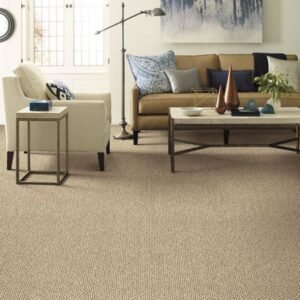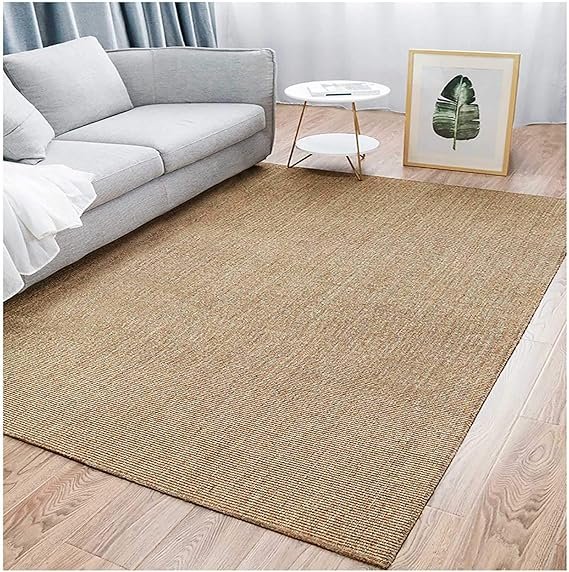
Selecting the perfect flooring for your home is more than just a matter of aesthetics—it’s about durability, comfort, and sustainability. Among the many flooring options available, natural fiber carpets like sisal have gained popularity for their unique texture and eco-friendly properties. Understanding the different aspects of sisal carpeting can help you make an informed decision for both practical and design purposes.
In this article, we will explore various elements that make sisal carpet an attractive choice for modern homes. From comparing it to other types of carpet flooring to understanding its maintenance requirements, this guide provides a comprehensive overview. By the end, you will have a clear understanding of how to choose, install, and maintain your sisal carpet for long-term satisfaction.
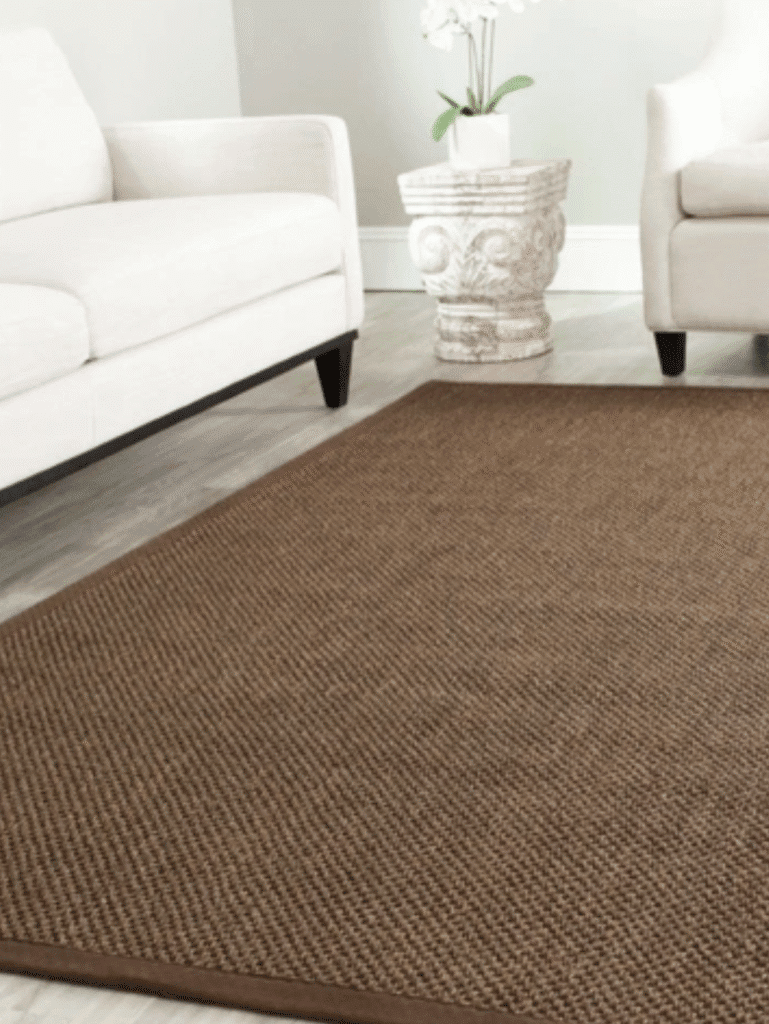
Understanding the natural fibers and textures in sisal carpet
Sisal carpet is made from the fibers of the agave sisalana plant, a type of agave native to Central America. These fibers are strong, durable, and naturally resistant to wear and tear, making them ideal for high-traffic areas such as living rooms, hallways, and staircases. Unlike synthetic carpets, sisal has a coarse texture that adds an organic, rustic feel to interiors.
The texture of sisal carpets can vary depending on how the fibers are woven. Common weaves include:
- Flatweave: Smooth and subtle, perfect for minimalist décor.
- Loop pile: Offers additional durability and resilience in busy areas.
- Braided: Adds decorative patterns and visual interest.
The natural fibers are also breathable, which helps regulate indoor humidity and prevents the buildup of allergens. When choosing a sisal carpet, it’s important to consider the room’s function and how much foot traffic it will experience, as some textures are better suited for heavy use than others.
Differences between sisal carpet and other carpet flooring types
Compared to synthetic carpets like nylon or polyester, sisal stands out for several reasons. Firstly, it is completely natural, making it a more sustainable choice for environmentally conscious homeowners. Unlike synthetic fibers, sisal does not off-gas volatile chemicals, contributing to better indoor air quality.
Sisal carpet also has a firmer texture than wool or synthetic blends, which gives it a unique tactile feel. While wool carpets are soft and plush, sisal offers a rustic charm and a slightly rougher surface that can help prevent slipping. Additionally, sisal is more resistant to crushing and matting over time, which helps maintain its appearance in high-traffic zones.
One potential drawback to consider is that sisal is more susceptible to staining from liquids because it is naturally absorbent. Using rugs in areas prone to spills or applying a natural protective finish can mitigate this risk. Overall, the choice between sisal and other carpet flooring options depends on your priorities for durability, texture, and eco-friendliness.
How to maintain and clean your sisal carpet effectively
Proper maintenance is key to preserving the beauty and longevity of your sisal carpet. Due to its natural fiber composition, it requires more careful cleaning than synthetic alternatives. Here are some practical tips for maintaining a sisal carpet:
- Regular vacuuming: Use a vacuum without a rotating brush to prevent damaging the fibers. Frequent vacuuming removes dust and grit that can wear down the carpet.
- Spot cleaning: Blot spills immediately with a clean, dry cloth. Avoid rubbing, as this can push the stain deeper into the fibers.
- Dry cleaning methods: Use dry carpet cleaning powders or natural solutions like baking soda to lift dirt without introducing moisture.
- Avoid excessive water: Sisal is highly absorbent, so excessive moisture can lead to warping or shrinkage.
- Rotate the carpet: Regularly rotate rugs or sections to ensure even wear across the surface.
By following these tips, homeowners can keep their sisal carpet looking fresh and maintain its natural appeal for years to come.
The environmental benefits of using sisal carpet in homes
Sisal carpet offers several environmental advantages compared to synthetic alternatives. Because it is made from a renewable plant fiber, it is biodegradable at the end of its life cycle, reducing landfill waste. The cultivation of sisal plants requires relatively low water consumption and minimal chemical fertilizers, making it a sustainable choice for eco-conscious consumers.
Additionally, sisal fibers can help regulate indoor humidity by absorbing and releasing moisture naturally. This property reduces the need for artificial humidifiers and contributes to a healthier living environment. Unlike synthetic carpets, sisal does not release volatile organic compounds (VOCs) that can degrade indoor air quality.
Using natural carpets like sisal also supports agricultural communities in regions where sisal is grown, providing economic benefits to local populations. For homeowners who prioritize sustainability, choosing sisal carpet is both an environmentally responsible and aesthetically pleasing option.
Choosing the right carpet flooring for high-traffic areas
When selecting carpet flooring for areas with heavy foot traffic, durability is paramount. Sisal carpet is particularly suited for spaces like hallways, stairs, and entryways due to its natural strength and abrasion resistance. Consider the following factors when making your selection:
- Weave type: Loop piles tend to hold up better under constant footfall than flatweaves.
- Fiber density: Higher fiber density ensures longevity and prevents flattening over time.
- Backing material: Choose sisal carpets with sturdy backing to prevent shifting and maintain shape.
- Maintenance requirements: High-traffic areas may require more frequent cleaning, so select a weave and finish that can withstand regular upkeep.
Integrating sisal carpet with complementary flooring, such as wood or stone, can create a durable and visually appealing combination that balances style with functionality.
How floor skirting complements sisal carpet aesthetics
Floor skirting, also known as baseboards or skirting boards, is an often-overlooked element that enhances the visual appeal and functionality of any flooring installation. With sisal carpets, floor skirting can serve multiple purposes:
- Protects walls: Skirting prevents scuffs and damage from vacuum cleaners, furniture, or foot traffic.
- Creates a finished look: It provides a neat border that frames the carpet and defines the room’s edges.
- Enhances design: Different skirting styles, from minimalist to decorative, can complement the rustic texture of sisal carpets.
- Hides gaps: Floor skirting can conceal minor gaps between the wall and the carpet edge, ensuring a seamless appearance.
For homeowners looking to achieve a cohesive look, combining floor skirting with sisal carpets creates a polished, intentional finish while also adding practical protection to walls and edges.
Tips for measuring and installing sisal carpet in different rooms
Proper measurement and installation are critical to ensure that your sisal carpet fits perfectly and maintains its durability. Here is a step-by-step guide for measuring and installing:
- Measure the room accurately: Use a tape measure to determine the length and width of each room. Add a few extra inches for trimming and adjustments.
- Check for obstacles: Note areas with corners, doorways, or built-in furniture that may require custom cuts.
- Prepare the subfloor: Ensure the surface is clean, dry, and level to prevent uneven wear and potential damage.
- Cut the carpet carefully: Use a sharp utility knife to achieve precise edges. Consider professional cutting for complex layouts.
- Secure with adhesive or tack strips: Depending on the room and subfloor, choose the appropriate method to keep the carpet in place.
- Allow acclimation time: Let the carpet sit in the room for 24–48 hours before full installation to adjust to humidity and temperature changes.
- Final adjustments: Trim excess edges and tuck the carpet neatly under floor skirting for a clean, finished look.
Following these steps helps ensure a smooth installation that maximizes the lifespan and aesthetic appeal of your sisal carpet.
Conclusion
Choosing the best sisal carpet for your home involves understanding its unique characteristics, maintenance requirements, and compatibility with different spaces. From the natural fibers and textures to the environmental benefits and practical installation tips, sisal carpets offer a durable and sustainable flooring solution. By considering factors such as weave type, traffic level, and complementary elements like floor skirting, homeowners can create a space that is both stylish and functional.
Incorporating sisal carpet into your home adds natural charm and resilience while promoting eco-friendly living. Pairing it with the right carpet flooring options and finishing touches like floor skirting ensures a cohesive, long-lasting interior design that stands the test of time.
FAQs
- What is sisal carpet made of?
Sisal carpet is made from the natural fibers of the agave sisalana plant. These fibers are strong, durable, and environmentally sustainable. - How durable is sisal carpet compared to other carpets?
Sisal carpet is highly durable, resistant to crushing and matting, and suitable for high-traffic areas. It is firmer than wool but more natural and eco-friendly than synthetic carpets. - Can sisal carpet be used in bathrooms or kitchens?
While sisal carpets can technically be placed in these areas, they are highly absorbent and can be damaged by moisture. Using rugs or protective coatings is recommended. - How do you clean and maintain sisal carpet?
Regular vacuuming, spot cleaning, and dry cleaning methods are recommended. Avoid excessive water, as sisal absorbs moisture and may shrink or warp. - What are the benefits of using floor skirting with sisal carpet?
Floor skirting protects walls, provides a finished look, hides gaps, and enhances the overall aesthetic of a room. - How to prevent sisal carpet from fraying or damage?
Use appropriate backing, avoid dragging heavy furniture, rotate rugs, and clean carefully to maintain the carpet’s integrity. - How does carpet flooring choice impact the longevity of sisal carpet?
Pairing sisal with sturdy, compatible carpet flooring materials helps support its structure, prevent wear, and improve performance in high-traffic areas.