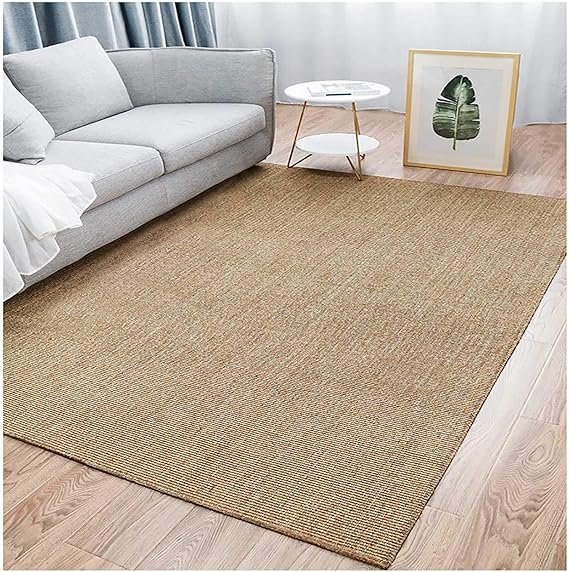
Natural fiber rugs have become increasingly popular in modern interior design due to their sustainable qualities, aesthetic appeal, and versatility. Homeowners are seeking flooring options that not only look beautiful but also contribute to a healthier indoor environment. Among these options, jute rugs stand out for their earthy textures and eco-friendly characteristics. Choosing the right rug can transform a living space, providing warmth, texture, and a unique design element that complements a variety of decor styles.
Integrating natural fiber rugs into your home goes beyond mere decoration. The type of material, weave, and placement all play critical roles in enhancing both functionality and style. From absorbing sound to creating a cozy atmosphere, these rugs offer practical benefits that elevate everyday living. Understanding the nuances of natural fiber rugs is essential to make informed choices that last for years.
This article will explore key considerations, maintenance tips, and placement ideas to help homeowners make the most of their natural flooring options. We will also examine how jute rug dubai selections can improve interior aesthetics while remaining environmentally conscious.
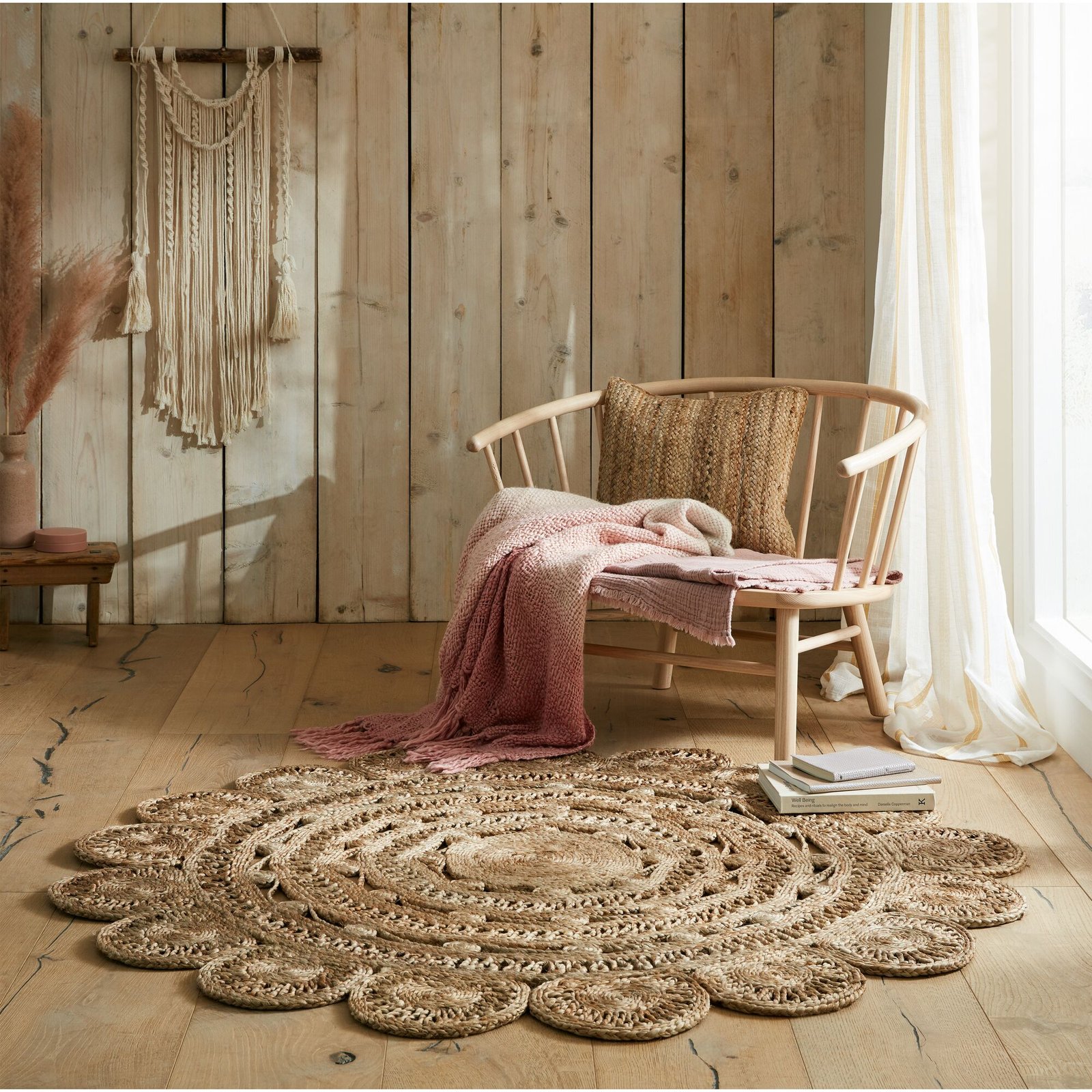
Understanding what makes natural fiber rugs suitable for modern interiors and eco-friendly homes
Natural fiber rugs, such as those made from jute, sisal, or hemp, offer a range of characteristics that make them suitable for contemporary homes. One of the primary advantages is sustainability. These fibers are biodegradable, harvested from renewable resources, and produced with minimal environmental impact. Incorporating them into interiors aligns with eco-friendly living and sustainable design principles.
In addition to their environmental benefits, natural fiber rugs contribute to the aesthetic of a room. They provide texture and depth that synthetic rugs often cannot replicate. The earthy tones of jute, ranging from soft beige to rich brown, blend seamlessly with both minimalist and eclectic interiors. Their neutral palette allows for flexible styling, accommodating a variety of furniture colors and patterns.
Moreover, these rugs are known for their durability when properly cared for. They can withstand moderate foot traffic and retain their appearance for years, making them an ideal choice for living rooms, bedrooms, and other high-use spaces. With careful selection and maintenance, a natural fiber rug can be both a functional and design-forward addition to any home.
How plant based fibers differ from synthetic materials in comfort, durability, and maintenance
Plant-based fibers such as jute and sisal differ significantly from synthetic options like nylon or polyester. One of the most noticeable differences is texture. Natural fibers are typically coarser, providing a more tactile, organic feel underfoot. This texture can enhance the sensory experience of a room, adding warmth and character that synthetic fibers often lack.
Durability is another consideration. While synthetic rugs are generally resistant to stains and wear, high-quality natural fiber rugs can also last for many years with proper care. They are resistant to abrasion and maintain structural integrity, although they may require more careful handling when it comes to moisture and cleaning.
Maintenance for natural fibers requires specific techniques. Unlike synthetic rugs, which can often tolerate aggressive cleaning methods, plant-based rugs benefit from gentle vacuuming, spot cleaning, and occasional professional maintenance. Avoiding prolonged exposure to water is essential, as excessive moisture can weaken fibers and cause discoloration. Regular brushing or shaking can also help maintain their appearance and prevent dust accumulation.
Understanding these differences allows homeowners to make informed choices, balancing comfort, durability, and maintenance needs to suit their lifestyle.
Key factors to evaluate when selecting the right weave, thickness, and backing type
Selecting the ideal rug involves examining its weave, thickness, and backing. Each factor impacts both the performance and aesthetic of the rug.
- Weave: Natural fiber rugs are typically available in braided, flat weave, or hand-knotted varieties. Braided weaves provide a classic textured look and are durable, while flat weaves offer simplicity and easier cleaning. Hand-knotted rugs tend to be more luxurious but require careful handling.
- Thickness: The pile height affects comfort and functionality. Thicker rugs create a softer surface and better insulation but may be harder to clean and more prone to wear in high-traffic areas. Thinner rugs are easier to maintain and are suitable for areas with frequent foot traffic.
- Backing type: The rug’s backing affects stability and safety. Rugs with anti-slip or rubberized backings remain in place and reduce the risk of slipping. Natural fiber rugs without backing may need additional underlays to prevent movement and protect flooring.
Evaluating these factors ensures that your rug meets practical needs while complementing the intended space aesthetically.
Climate considerations that affect moisture resistance and long-term performance indoors
Climate plays a significant role in the longevity of natural fiber rugs. Areas with high humidity can cause fibers like jute to absorb moisture, potentially leading to mold or mildew growth. Conversely, excessively dry environments can make fibers brittle and prone to breakage. Understanding local climate conditions is crucial to choosing and placing a rug appropriately.
Temperature fluctuations also impact performance. Rooms that receive direct sunlight may experience fading over time, especially with natural dyes. Proper placement away from intense sun exposure or rotating the rug periodically can help maintain color consistency. In climates with seasonal changes, storing rugs during extreme conditions can prevent premature wear and preserve their natural texture.
By considering climate factors, homeowners can maximize the lifespan of their rugs while maintaining a visually appealing and safe indoor environment.
Comparing natural textures with traditional woven materials for everyday spaces
Natural fiber rugs offer unique textures that differ from traditional woven materials such as wool or cotton. These textures contribute to both visual and tactile diversity in a room. For example:
- Jute: Provides a coarse, nubby texture that adds rustic charm and depth.
- Sisal: Offers a tighter weave with a more uniform surface, ideal for high-traffic areas.
- Hemp: Delivers a slightly softer feel, suitable for bedrooms or lounges.
In contrast, traditional woven rugs may prioritize plushness or intricate patterns over environmental benefits. While wool or cotton rugs can be luxurious, plant-based rugs excel in sustainability, easy styling, and natural color palettes. Integrating natural textures into everyday spaces promotes a grounded, earthy aesthetic while maintaining functional flooring.
Cleaning routines that help extend lifespan without damaging delicate natural fibers
Proper maintenance is critical for preserving the beauty and longevity of natural fiber rugs. Implementing a consistent cleaning routine can prevent damage and prolong usability:
- Regular vacuuming: Use a vacuum without a beater bar to gently remove dust and dirt.
- Spot cleaning: Address spills immediately using a damp cloth and mild detergent. Avoid soaking the rug.
- Rotation: Rotate rugs every few months to ensure even wear and reduce fading in sun-exposed areas.
- Professional cleaning: Occasionally, professional cleaning helps remove embedded dirt and maintain fiber strength.
- Avoid moisture: Keep rugs away from damp areas to prevent mildew or fiber deterioration.
Following these practices ensures that a rug remains both visually appealing and structurally sound for years.
Placement ideas for living rooms, bedrooms, hallways, and workspaces for best results
The placement of natural fiber rugs influences both aesthetic appeal and functional performance. Consider these suggestions:
- Living rooms: Use a large rug under seating areas to anchor furniture and create a cozy environment.
- Bedrooms: Place rugs partially under the bed for a soft landing area, enhancing comfort and style.
- Hallways: Choose flat weave or low-pile options for durability and ease of maintenance.
- Workspaces: Select rugs that add warmth without interfering with office chairs or high-traffic movement.
Strategic placement enhances the rug’s visual impact while ensuring it meets practical needs, making it a versatile addition to any interior.
Common mistakes homeowners make when installing or maintaining natural rugs
While natural fiber rugs are beautiful and functional, improper installation or care can compromise their performance:
- Ignoring underlays: Lack of anti-slip pads can lead to slipping and premature wear.
- Overexposure to sunlight: Can cause fading and weaken fibers over time.
- Excessive moisture: Cleaning with too much water can damage the rug’s structure.
- Heavy traffic without rotation: Uneven wear occurs if rugs are not rotated regularly.
- Neglecting routine cleaning: Dust and dirt buildup can deteriorate fibers and reduce lifespan.
Avoiding these mistakes helps maintain the rug’s natural charm and ensures long-term usability.
Conclusion
Incorporating natural fiber rugs into home interiors provides both functional and aesthetic benefits. From enhancing visual texture to supporting sustainable living, these rugs offer a versatile solution for modern spaces. Careful selection, proper maintenance, and mindful placement are essential to maximize their lifespan and impact. By understanding the nuances of jute rug dubai options, homeowners can make informed choices that elevate the beauty and comfort of their interiors.
Proper care and thoughtful integration allow natural rugs to transform any room, providing warmth, style, and eco-friendly benefits that endure for years. Balancing design preferences with practical considerations ensures that natural fiber rugs remain a valued element of everyday living.
FAQs
What benefits do natural fiber rugs provide over synthetic options?
Natural fiber rugs offer sustainability, biodegradability, and unique textures that synthetic rugs cannot replicate. They contribute to healthier indoor air quality and add an organic aesthetic to interiors.
Are these rugs suitable for humid environments?
Natural fiber rugs can be used in moderately humid environments but may absorb moisture. Proper ventilation and avoiding damp areas help prevent mold and mildew formation.
How often should they be cleaned to maintain texture?
Regular vacuuming and prompt spot cleaning are recommended. Depending on foot traffic, a professional cleaning once a year can maintain texture and appearance.
Do natural rugs cause allergies or trap dust?
While natural fibers can trap dust, they are less likely to cause allergies compared to synthetic rugs with chemical treatments. Frequent cleaning reduces dust accumulation.
What rooms are best suited for plant fiber flooring?
Living rooms, bedrooms, hallways, and home offices are ideal. High-moisture areas like bathrooms or basements are less suitable unless precautions are taken.
How can carpet floor covering choices complement natural rugs?
Selecting complementary floor coverings enhances the aesthetic contrast and supports cohesive interior design. Natural fiber rugs layered over suitable flooring create texture and warmth.
Can can sisal rugs be used outdoors?
Sisal rugs are not recommended for prolonged outdoor use. While they can handle occasional outdoor exposure, they are best used indoors or in covered outdoor spaces to prevent damage.