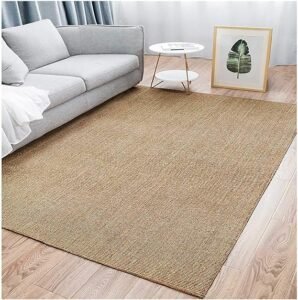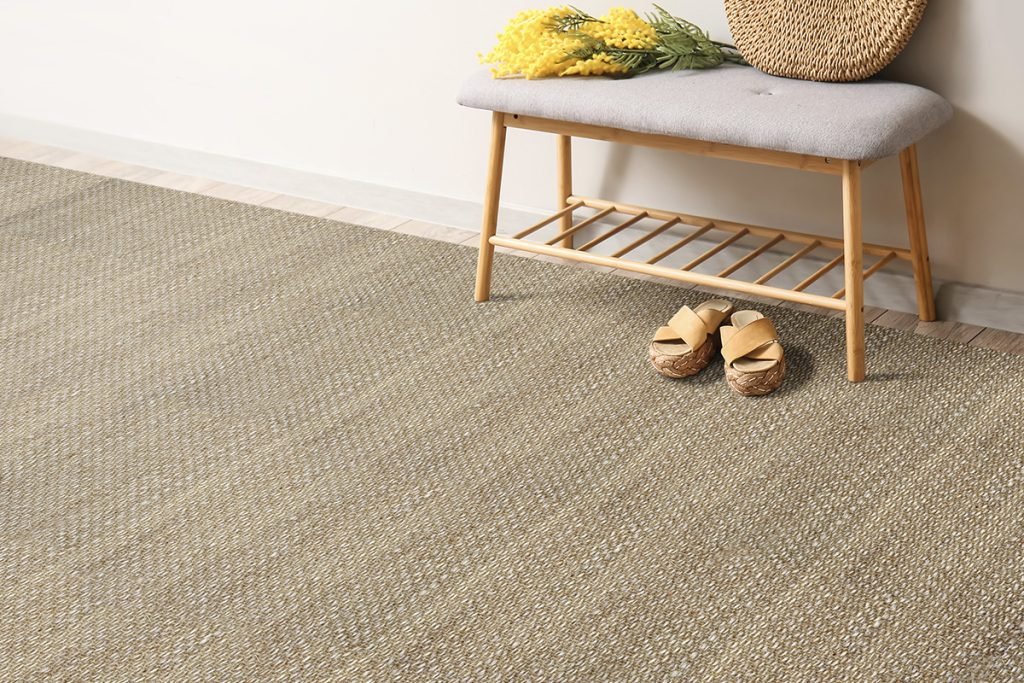
Natural flooring materials are increasingly popular among homeowners who want interiors that feel warm, organic, and environmentally responsible. Among these options, jute stands out for its soft texture, earthy appearance, and renewable origins. Its woven look brings relaxed charm to living rooms, bedrooms, and quiet spaces where comfort matters as much as style.
However, choosing a plant-based carpet requires more than simply selecting a pleasing design. Climate, installation methods, daily use, and maintenance all influence how well the flooring performs over time. This guide explains everything you should understand before introducing jute carpets into your home so you can make informed, practical decisions based on lifestyle and environment.
Exploring the natural properties of jute fiber and how it influences texture, insulation, and sustainability
Jute is a vegetable fiber derived from the stalks of the jute plant, primarily cultivated in warm, humid regions. Once harvested, the fibers are spun into yarns and woven into durable textiles. Because it is entirely plant-based, jute is biodegradable and considered one of the more sustainable flooring materials available.
One of the first things people notice about jute is its softness. Compared to other natural fibers, it feels smoother and more comfortable underfoot. This makes it suitable for relaxed, low-impact areas like bedrooms or reading corners.
Key characteristics include:
- Naturally warm and cozy texture
- Light to medium weight construction
- Subtle golden or beige tones
- Renewable and compostable material
- Minimal chemical processing during production
These features make jute especially attractive to homeowners who prefer natural aesthetics and lower environmental impact.
How climate, humidity, and indoor conditions affect the lifespan of plant-based carpet materials
While jute is comfortable and attractive, it is sensitive to environmental conditions. Moisture is the most important factor affecting its longevity. Because it is highly absorbent, prolonged humidity can weaken the fibers, encourage mold growth, or cause uneven wear.
Indoor climate considerations include:
- Humid rooms such as basements or kitchens may shorten lifespan
- Poor ventilation can trap moisture inside fibers
- Frequent spills increase staining risks
- Dry, climate-controlled spaces help preserve structure
In warm regions, careful placement becomes essential. Many homeowners researching options such as jute carpets dubai often consider how air conditioning and indoor airflow can help maintain stable conditions and protect natural fibers.
Selecting the right room ensures the carpet performs well without unnecessary damage.
Comparing installation methods and surface preparation for improved stability and comfort underfoot
Proper installation directly influences comfort, safety, and durability. Because jute carpets are woven rather than tufted or backed with heavy layers, they require a smooth and even base.
Before installation:
- Clean and dry the subfloor thoroughly
- Repair cracks or uneven areas
- Ensure no moisture issues exist
- Allow acclimatization to room temperature
Installation methods may include:
- Wall-to-wall stretching
- Loose laying with rug pads
- Area rug placement
- Adhesive-backed options
Loose laying is common for natural fibers, as it allows the material to breathe and reduces trapped moisture. It also makes maintenance easier because the rug can be lifted or rotated when needed.
Benefits and limitations of biodegradable flooring options for eco-conscious households
Natural carpets are appealing for their reduced environmental footprint, but they come with both strengths and trade-offs. Understanding these helps set realistic expectations.
Benefits
- Renewable raw materials
- Low synthetic chemical use
- Biodegradable at end of life
- Warm, organic aesthetic
- Comfortable texture for barefoot walking
Limitations
- Sensitive to moisture
- Less stain resistant than synthetics
- May show wear faster in busy areas
- Requires consistent maintenance
For comparison, some homeowners evaluate different plant fibers to understand durability differences. Researching aspects like the sisal carpets pros and cons can provide perspective on how tougher alternatives behave compared to the softer nature of jute.
Balancing sustainability with practicality leads to better long-term satisfaction.
Selecting the right thickness and padding to enhance softness and reduce wear over time
Thickness plays an important role in both comfort and resilience. Thin weaves feel lighter but may wear more quickly, while thicker constructions provide cushioning and longer performance.
When selecting thickness:
- Choose thicker weaves for bedrooms and lounges
- Use medium weight for living rooms
- Avoid very thin styles in heavy traffic zones
Padding is equally important. A quality carpet underlay can:
- Increase walking comfort
- Absorb impact and reduce strain on fibers
- Improve insulation
- Prevent slipping
- Extend the carpet’s lifespan
The right combination of thickness and padding significantly enhances everyday use.
Practical care routines to prevent staining, moisture damage, and fiber breakdown in everyday spaces
Jute requires gentle but consistent care. Because the fibers absorb liquids easily, quick action is essential whenever spills occur.
Recommended care habits:
- Vacuum regularly without aggressive brush rollers
- Blot spills immediately with a dry cloth
- Avoid soaking or steam cleaning
- Rotate rugs every few months
- Use doormats to reduce tracked dirt
For deeper cleaning, professional dry methods are safer than wet extraction. Excess water can distort the weave and cause shrinkage.
Routine maintenance prevents buildup and helps preserve the natural look of the fibers.
Understanding traffic patterns and choosing rooms that best suit softer natural weaves
Not every area of the home is equally suitable for jute. High-traffic corridors and entryways may cause faster wear due to constant friction and dirt.
Better placement options include:
- Bedrooms
- Guest rooms
- Home offices
- Sitting rooms
- Low-traffic living areas
Areas to avoid:
- Kitchens
- Bathrooms
- Outdoor transitions
- Damp basements
By matching the material to the function of each space, you maximize both comfort and longevity.
Coordinating colors and textures to complement modern and traditional interior styles
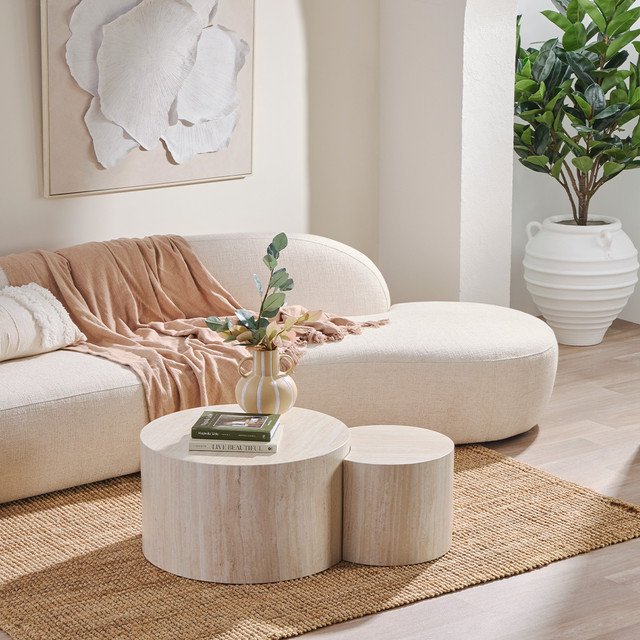
Jute’s neutral palette makes it highly adaptable. Its warm, sandy tones blend effortlessly with many design themes, from minimal to rustic.
Styling tips:
- Pair with wooden or rattan furniture for natural harmony
- Layer under patterned rugs for added dimension
- Use light tones to brighten small rooms
- Combine with linen and cotton fabrics for a cohesive look
- Add greenery to emphasize organic elements
Because jute acts as a subtle foundation, it supports other décor without overpowering the space.
Evaluating long-term durability expectations and realistic performance outcomes
It is helpful to set practical expectations before choosing jute. While durable for its category, it is not as rugged as synthetic or tightly woven fibers.
With proper care, jute carpets may last several years in low to moderate traffic areas. However, they may show:
- Gradual softening of fibers
- Slight flattening over time
- Minor color changes with sunlight exposure
These natural aging signs often add character rather than detract from appearance. Understanding this helps homeowners appreciate the material’s evolving beauty instead of expecting perfect uniformity.
Simple seasonal maintenance habits to keep natural carpets fresh year-round
Seasonal upkeep can extend the life of jute significantly. Small adjustments throughout the year help maintain freshness and hygiene.
Seasonal checklist:
- Spring: deep vacuum and rotate placement
- Summer: monitor humidity and airflow
- Autumn: inspect edges and seams
- Winter: increase cleaning frequency due to indoor dust
These simple routines prevent small issues from turning into larger problems.
Conclusion
Jute carpets offer a comfortable, sustainable, and visually calming flooring solution for homes that prioritize natural materials. By understanding fiber behavior, climate considerations, installation methods, and maintenance practices, you can choose placements that enhance both durability and style. Thoughtful care and realistic expectations ensure jute remains a practical and beautiful addition to everyday living spaces.
FAQs
Are jute carpets suitable for humid or coastal environments?
They can be used in controlled indoor environments, but excessive humidity may shorten their lifespan due to moisture absorption.
How long do natural fiber carpets typically last indoors?
With proper care and moderate traffic, they can last several years, though longevity depends on placement and maintenance.
What maintenance is required to keep plant fibers looking fresh?
Regular vacuuming, prompt spill cleanup, and periodic rotation help preserve their appearance.
Do natural carpets provide sound or thermal insulation?
Yes, their dense weave offers mild insulation and helps soften room acoustics.
How do underlays improve comfort and durability?
They cushion foot traffic, reduce strain on fibers, and protect the carpet from premature wear.