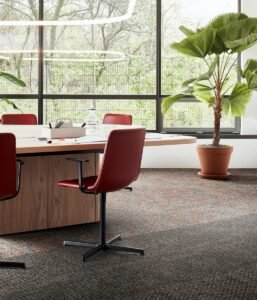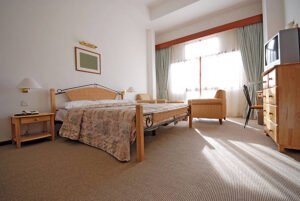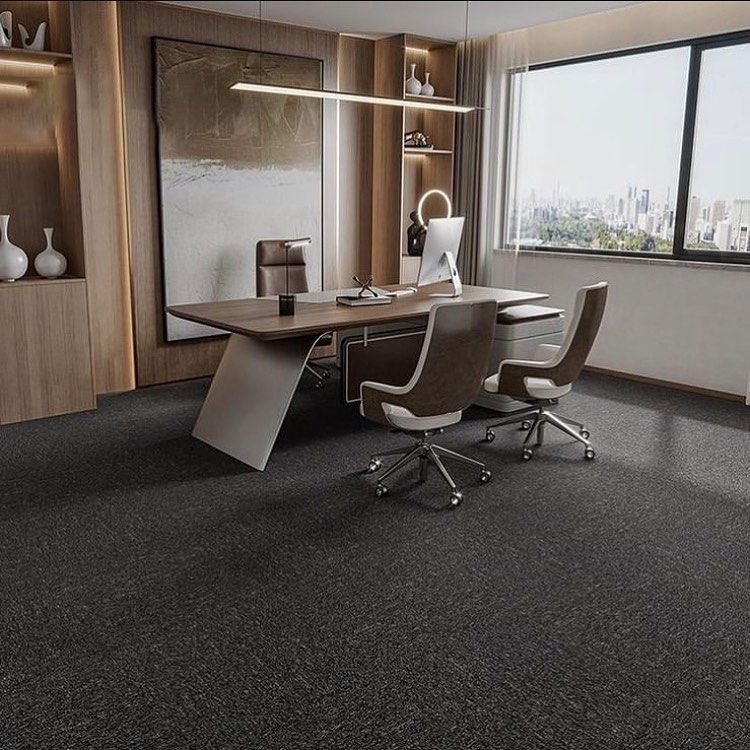
Modern workplaces are constantly evolving to meet changing demands for comfort, flexibility, and performance. From open-plan offices to hybrid collaboration hubs, flooring plays a surprisingly important role in how productive and welcoming a space feels. The right surface can reduce noise, improve safety, and support easy maintenance while also contributing to the overall aesthetic.
Among the many options available today, modular flooring systems have become especially popular in professional environments. Their practicality, durability, and adaptability make them a smart choice for busy offices that require both function and style. This guide explores what these flooring solutions are, how they work, and why they are widely used in contemporary workplaces.
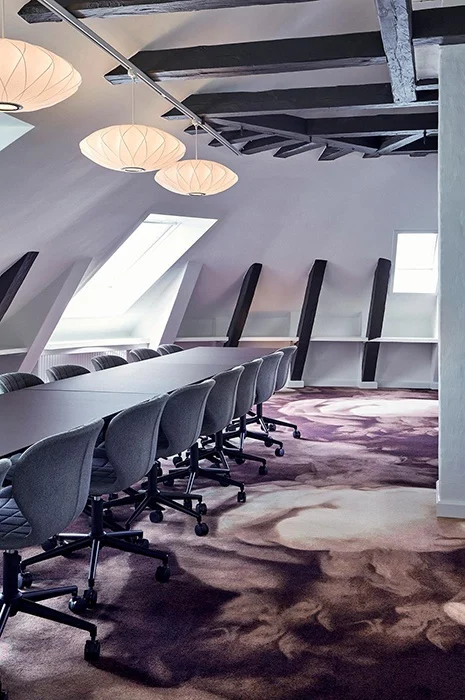
Understanding how modular flooring improves modern office layouts and flexibility
Modular flooring is designed to adapt to the dynamic nature of modern workspaces. Instead of installing a single continuous surface, individual pieces are arranged in sections, allowing for quick adjustments when layouts change.
This approach offers several advantages:
- Easy reconfiguration when desks or departments move
- Faster repairs without replacing entire floors
- Customizable patterns and color zoning
- Reduced downtime during renovations
Many facilities managers prefer systems such as office tiles because they allow targeted replacements. If one area becomes worn or stained, only that section needs attention rather than the entire room. This flexibility supports long-term cost efficiency and minimizes disruption to daily operations.
Modular formats also make it easier to design creative layouts. You can alternate textures, colors, or orientations to visually separate collaborative zones, meeting rooms, and quiet spaces.
Key materials used in tile construction and how they affect durability and comfort
The performance of modular flooring largely depends on the materials used. Each fiber or backing type influences comfort, longevity, and maintenance requirements.
Common materials include:
- Nylon: resilient, stain-resistant, and ideal for heavy traffic
- Polypropylene: affordable and moisture-resistant
- Wool blends: soft and naturally insulating
- Natural fibers: breathable and eco-conscious
Backing systems are equally important. Cushioned or layered backings improve underfoot comfort and reduce fatigue for employees who stand or walk frequently.
When selecting materials, consider:
- Foot traffic levels
- Exposure to spills or moisture
- Acoustic needs
- Cleaning capabilities
A well-matched combination ensures the floor maintains its appearance and performance over time, even in busy office environments.
Comparing acoustic performance and noise control in shared work environments
Noise is one of the most common complaints in open-plan offices. Conversations, footsteps, and moving chairs can quickly create distracting sound levels. Flooring plays a key role in controlling this issue.
Soft surfaces absorb sound rather than reflecting it. Modular systems often include padded backings or dense fibers that help dampen vibrations and reduce echoes.
Benefits of acoustic-friendly flooring include:
- Quieter collaboration zones
- Fewer distractions
- Improved concentration
- Enhanced speech clarity during calls
Compared to hard surfaces like tile or laminate, fabric-based solutions significantly reduce impact noise. This makes them especially useful in coworking spaces or call centers where sound management is critical.
Layering flooring with acoustic ceiling panels and partitions further enhances overall comfort, creating a balanced and productive environment.
Step-by-step process for installing and replacing damaged sections easily
One of the most appealing aspects of modular flooring is its straightforward installation and replacement process. Even maintenance staff with basic tools can manage small repairs.
Installation steps
- Prepare and clean the subfloor
- Mark layout lines for alignment
- Apply adhesive or use a loose-lay system
- Place pieces in a consistent pattern
- Press firmly to secure each section
Replacement steps
- Lift the damaged piece
- Remove any residue or adhesive
- Insert a new matching piece
- Ensure edges align smoothly
Because each section functions independently, the process is quick and localized. There is no need to shut down an entire office or move heavy furniture across large areas.
This convenience supports long-term practicality and keeps maintenance costs predictable.
Cleaning, maintenance, and hygiene practices for long-lasting professional spaces
Proper care significantly extends the life of modular flooring. Routine cleaning prevents dirt from embedding in fibers and maintains a professional appearance.
Daily and weekly practices include:
- Vacuuming high-traffic areas
- Spot-cleaning spills immediately
- Rotating sections to balance wear
- Using entry mats to reduce tracked-in dirt
For deeper cleaning:
- Steam or low-moisture extraction methods
- Mild detergents suitable for fiber type
- Avoiding harsh chemicals that damage backing
In professional settings that aim for a premium aesthetic, some organizations compare modular surfaces with a traditional luxury carpet finish to understand differences in maintenance needs. While both offer comfort, modular formats typically provide easier localized cleaning and faster repairs.
Maintaining hygiene is especially important in shared environments, where dust and allergens can accumulate quickly.
Sustainability benefits and recyclability of different natural and synthetic fibers
Sustainability has become a priority for many businesses seeking environmentally responsible design choices. Flooring can contribute meaningfully to these goals.
Several modular products are now made using recycled content or renewable materials. Additionally, their replaceable nature reduces waste because only worn sections are discarded.
Eco-friendly benefits include:
- Lower material consumption over time
- Reduced landfill waste
- Longer usable lifespan
- Energy-efficient manufacturing processes
Natural fiber options are also gaining attention. Some offices introduce accent pieces like a jute rug in lounge areas to complement modular flooring while using biodegradable materials. These additions bring warmth and texture while aligning with sustainability objectives.
Choosing recyclable or renewable fibers supports broader environmental initiatives without sacrificing practicality.
Conclusion
Modular flooring solutions offer a smart balance of flexibility, comfort, and durability for modern workplaces. Their section-based design simplifies installation, repairs, and customization, making them well-suited for evolving office layouts. From acoustic improvements to sustainable materials, these systems address many of the challenges faced by contemporary businesses.
By understanding materials, maintenance practices, and design possibilities, organizations can create work environments that are both functional and welcoming. Thoughtful flooring choices ultimately support productivity, well-being, and long-term efficiency.
FAQs
What are office tiles and how are they different from wall tiles?
They are modular flooring pieces designed specifically for walking surfaces, offering cushioning, durability, and sound absorption, unlike wall tiles that focus mainly on moisture resistance and decoration.
How long do modular flooring tiles typically last in busy offices?
With proper maintenance, high-quality options can last 7–15 years or longer, depending on foot traffic and cleaning routines.
Are office tiles easy to replace if one section gets damaged?
Yes. Individual pieces can be lifted and swapped without affecting surrounding areas, making repairs quick and convenient.
Which materials provide the best sound absorption in workspaces?
Dense nylon fibers with cushioned backings and layered construction generally provide excellent acoustic control.
Can natural fiber rugs complement tiled office flooring designs?
Yes. Natural fibers can add warmth and texture in breakout or lounge areas while supporting sustainability goals.