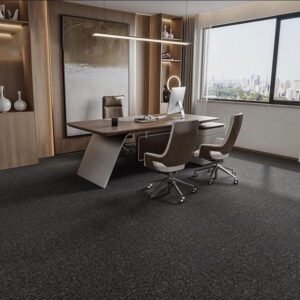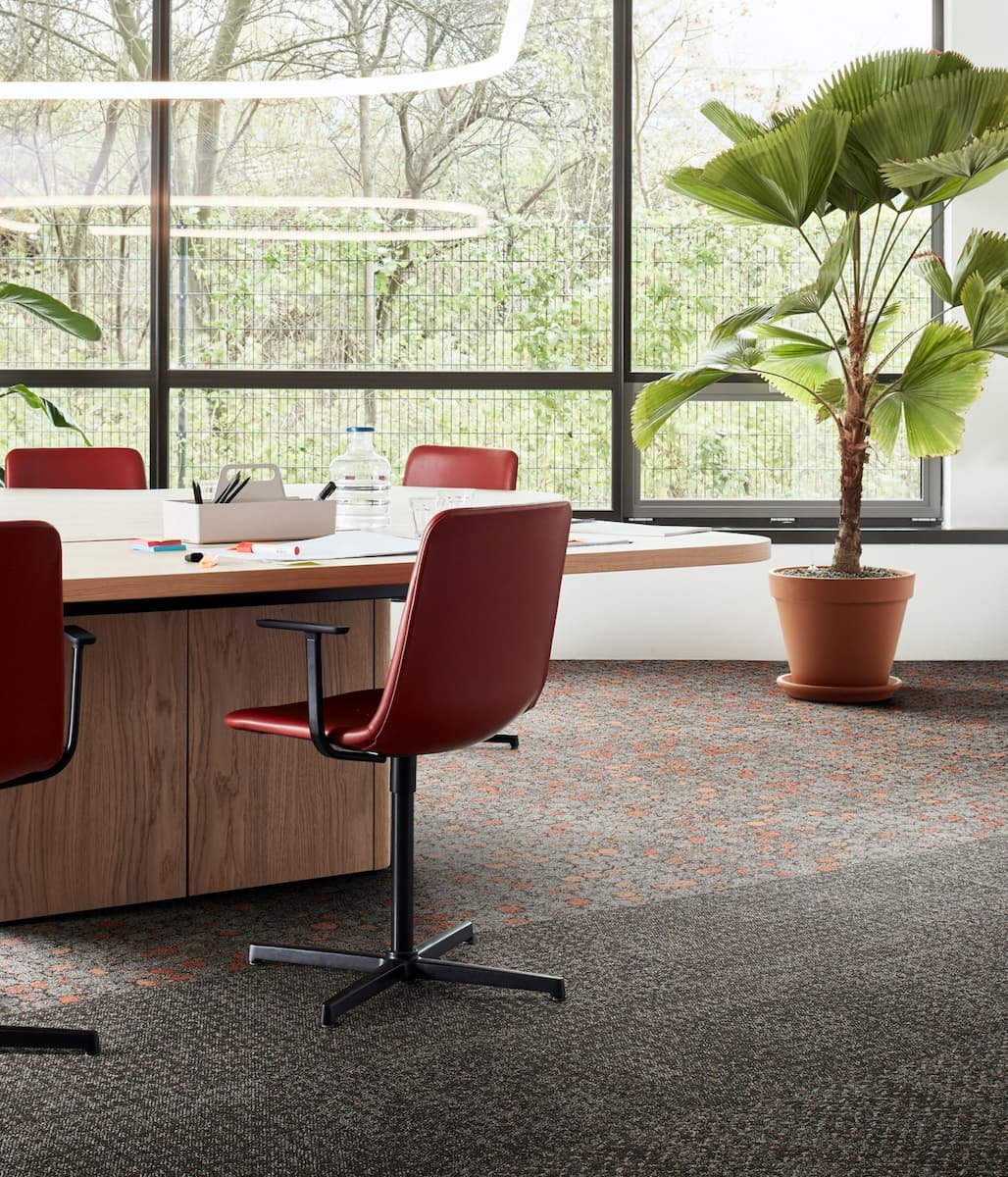
Modern workplaces are evolving rapidly, and flooring plays a bigger role than many people realize. The surfaces employees walk on every day influence comfort, acoustics, maintenance demands, and even overall productivity. As offices shift toward flexible layouts and collaborative spaces, traditional broadloom carpeting is often replaced with more adaptable alternatives.
Carpet tiles have become a practical solution for organizations seeking durability and design freedom without sacrificing functionality. Their modular structure allows easy installation, targeted repairs, and creative patterns that support both aesthetic and operational needs. This guide explains how carpet tiles work, why they are effective in professional settings, and how to plan them thoughtfully.
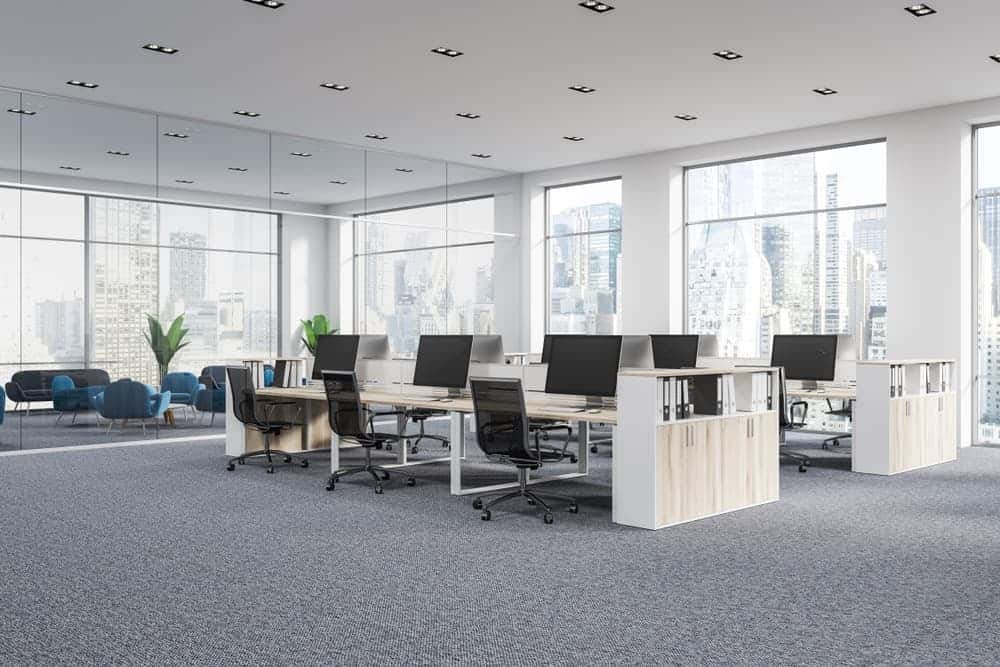
Exploring how modular flooring systems simplify installation and future replacements
Carpet tiles are manufactured in square or rectangular modules rather than large continuous rolls. This simple difference transforms how flooring is installed and maintained.
Instead of cutting and stretching one large piece of carpet, installers place individual tiles in a grid. Each piece fits precisely next to the other, creating a seamless surface.
Key installation advantages include:
- No need for extensive stretching equipment
- Faster setup with less disruption to daily operations
- Easier handling due to smaller tile size
- Simple removal and replacement of damaged sections
- Reduced installation waste
If a tile becomes stained or worn, it can be lifted and swapped out without disturbing the rest of the floor. This makes modular systems particularly useful in busy workplaces where downtime must be minimized.
Benefits of acoustic control and noise reduction in collaborative office environments
Open-plan offices encourage teamwork but often struggle with excess noise. Conversations, footsteps, and moving chairs can create distractions that reduce focus and productivity.
Carpet tiles help address this issue by absorbing sound rather than reflecting it. The layered backing and textile surface dampen vibrations and reduce echoes.
Acoustic benefits include:
- Lower footstep noise
- Reduced sound transfer between floors
- Softer overall ambient noise levels
- Improved speech clarity in meeting areas
- Less distraction in focused work zones
By controlling noise, flooring contributes to a calmer atmosphere where employees can concentrate more effectively. This often leads to better comfort and improved performance throughout the day.
How tile layouts allow flexible zoning for departments and multifunctional spaces
One of the most appealing features of modular carpet is design flexibility. Because each tile can be arranged independently, it becomes possible to create visual zones without adding physical barriers.
Different colors or textures can signal specific purposes within the same office. For example:
- Neutral tones for focused workstations
- Bold patterns for collaboration hubs
- Subtle borders to define walkways
- Contrasting sections for meeting areas
This visual organization helps people intuitively understand how to use a space. In shared offices, such zoning supports both teamwork and quiet work without major renovations.
Modular layouts also allow future changes. When departments grow or shift, tiles can be rearranged to reflect new needs.
Comparing durability of modular pieces versus broadloom carpet in busy workplaces
Durability is essential in commercial settings with constant movement. Office chairs, heavy furniture, and frequent foot traffic quickly wear down many flooring materials.
Carpet tiles are engineered specifically for these conditions. Their dense construction and reinforced backings help them resist crushing and matting.
Compared with broadloom carpet, modular options often provide:
- Greater resistance to wear in high-traffic zones
- Easier replacement of damaged areas
- Less visible aging over time
- Improved dimensional stability
- Better long-term performance under rolling loads
When researching solutions such as office carpet tiles, many facility managers choose them specifically for these durability benefits. Replacing only a few tiles instead of an entire floor significantly extends the useful life of the installation.
Maintenance strategies that extend lifespan and keep professional spaces hygienic
Cleanliness is critical in shared work environments. Fortunately, carpet tiles simplify maintenance routines and make hygiene easier to manage.
A practical maintenance plan might include:
Daily care
- Vacuum high-traffic areas
- Remove visible debris promptly
Weekly or monthly care
- Deep vacuum all zones
- Spot clean stains immediately
Periodic care
- Rotate heavily used tiles with less-used ones
- Replace permanently stained sections
- Inspect seams and edges
Because individual pieces can be removed, cleaning can be more targeted and effective. This approach reduces downtime while keeping the office looking professional.
Design options including textures, patterns, and colors for brand-aligned interiors
Beyond function, flooring also contributes to brand identity. Carpet tiles come in a wide range of colors, patterns, and textures, enabling organizations to reflect their visual style through the floor itself.
Design possibilities include:
- Subtle monochrome palettes for minimalist offices
- Geometric patterns for contemporary spaces
- Textured weaves that add depth and warmth
- Coordinated color blocks that match company branding
- Mixed materials for a layered look
For workplaces seeking a refined aesthetic, incorporating elements similar to a high-end carpet style can elevate the atmosphere without sacrificing practicality. Thoughtful design choices can make professional spaces feel welcoming and sophisticated.
Sustainability considerations such as recycled materials and reduced installation waste
Sustainability has become a priority for many businesses. Carpet tiles often align well with environmental goals due to their efficient use of materials and long lifespan.
Eco-friendly features may include:
- Recycled fiber content
- Low-emission adhesives
- Reduced manufacturing waste
- Targeted replacement instead of full removal
- Recyclable backing systems
Because only worn sections need replacement, fewer materials end up in landfills. This incremental approach supports responsible resource use while still maintaining a fresh appearance.
Organizations pursuing green certifications or environmentally conscious policies often view modular flooring as a practical step toward those objectives.
Practical planning tips for selecting layouts that support productivity and comfort
Selecting the right carpet tile layout requires careful planning. The goal is to balance appearance, performance, and employee comfort.
Consider the following steps:
- Assess traffic patterns and high-use zones
- Choose durable tiles for entrances and corridors
- Use softer textures in quiet or relaxation areas
- Plan color transitions to guide movement
- Keep spare tiles for future replacements
- Test samples under real lighting conditions
Blending modular flooring with other soft furnishings can also enhance comfort. For example, incorporating accent pieces inspired by kilim rugs dubai aesthetics can add warmth and cultural character to breakout areas while maintaining a cohesive design.
A thoughtful plan ensures the floor supports both daily operations and long-term adaptability.
Conclusion
Office carpet tiles offer a practical combination of flexibility, durability, and design freedom. Their modular structure simplifies installation, reduces maintenance challenges, and allows creative layouts that evolve with changing workplace needs. From improving acoustics to supporting sustainability goals, they provide meaningful advantages for modern offices. By understanding how these systems function and planning strategically, organizations can create comfortable, efficient environments that support both productivity and well-being.
FAQs
What are the main advantages of modular flooring in offices?
They offer easy installation, simple replacements, flexible layouts, and reduced maintenance compared with traditional carpets.
How often should carpet tiles be cleaned or replaced?
Regular vacuuming is recommended daily or weekly, while individual tiles should be replaced only when worn or damaged.
Do carpet tiles help with sound insulation in open spaces?
Yes, their layered construction absorbs sound and reduces echoes, improving acoustic comfort.
Can damaged tiles be swapped without replacing the entire floor?
Yes, individual modules can be removed and replaced independently, which minimizes cost and disruption.
Are modular carpets suitable for different office sizes and layouts?
They work well in both small and large spaces because tiles can be arranged or reconfigured to suit changing layouts.