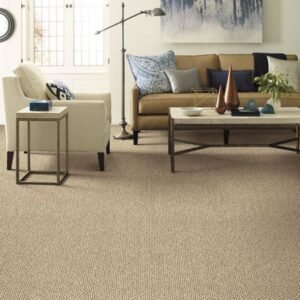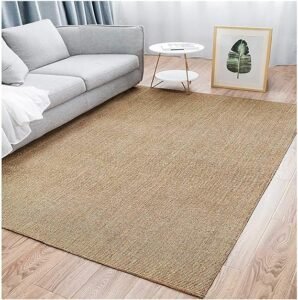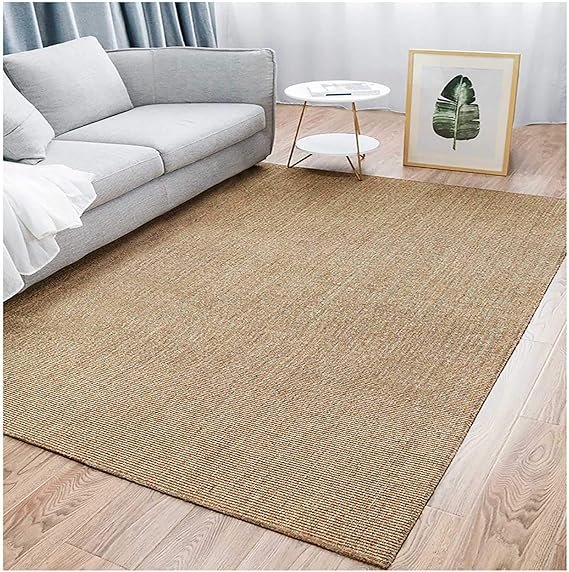
Natural flooring materials have become increasingly popular as homeowners and designers look for options that balance durability, sustainability, and timeless style. Among these materials, plant-based carpets stand out for their organic textures and long lifespan. Sisal, made from agave fibers, is one of the most recognized choices in this category and is often selected for its strength and earthy appearance.
If you have ever wondered how natural fiber flooring compares to synthetic alternatives or whether it suits modern interiors, learning the basics can help you make informed decisions. This guide explains how sisal carpets are made, where they work best, and how to maintain them so they stay attractive for years.
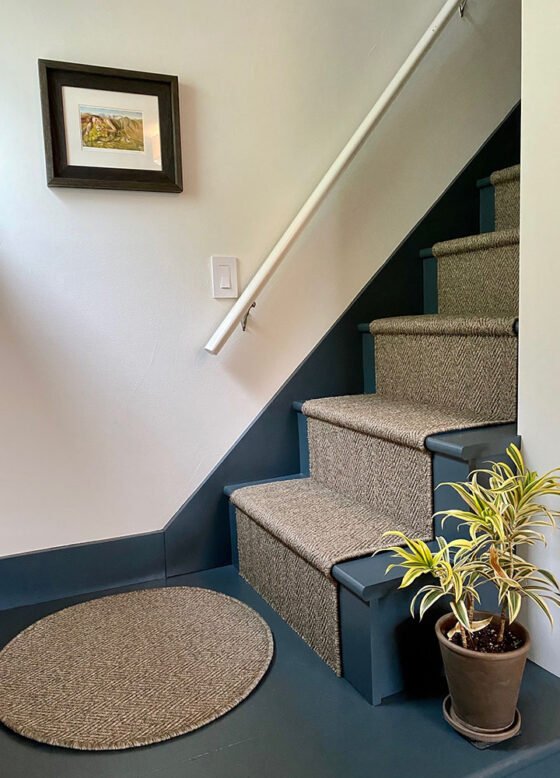
Understanding how sisal fiber is harvested and woven into durable flooring materials
Sisal originates from the leaves of the agave sisalana plant, which grows well in warm, dry climates. The production process is relatively straightforward and relies heavily on natural methods rather than chemical treatments.
Here’s how the transformation happens:
- Mature leaves are cut and crushed to extract long, stiff fibers.
- The fibers are washed and dried in the sun.
- Once dried, they are combed and sorted by thickness and color.
- Finally, they are spun into yarn and woven into carpets or rugs.
Because the fibers are naturally strong and coarse, the resulting textile is extremely resilient. The tight weave helps the carpet resist crushing and flattening, making it suitable for areas with regular foot traffic. Unlike many synthetic options, sisal does not rely on petroleum-based components, which appeals to those seeking environmentally responsible materials.
Key characteristics that make natural plant fibers suitable for heavy foot traffic areas
Sisal carpets are often chosen for hallways, living rooms, and offices because of their durability. The fiber structure provides several functional advantages that help the surface withstand daily use.
Important characteristics include:
- High tensile strength that resists tearing
- Dense weave that prevents rapid wear
- Natural resistance to static buildup
- Textured surface that hides dirt and minor debris
- Firm feel that maintains shape under furniture
These traits make sisal a practical solution where longevity matters more than plush softness. Although it is not as cushioned as thick synthetic carpet, it excels in maintaining its appearance over time, even with constant movement across the surface.
Comparing sisal with synthetic carpets in sustainability and indoor air quality performance
When comparing sisal to man-made carpets, sustainability becomes a key difference. Synthetic carpets are often produced from nylon or polyester, which are derived from fossil fuels and can release volatile organic compounds (VOCs) after installation.
Sisal offers a more natural alternative:
- Biodegradable fibers that break down naturally at the end of life
- Minimal chemical processing during manufacturing
- Lower environmental footprint during production
- Fewer synthetic additives that may affect indoor air quality
For households sensitive to odors or chemicals, plant-based materials may feel fresher and more breathable. This makes sisal particularly appealing in bedrooms, family rooms, or homes aiming for healthier indoor environments.
Common residential and commercial spaces where natural textured flooring works best
Because of its strength and subtle aesthetic, sisal adapts to many different settings. It complements both residential and professional environments, offering a clean and understated look.
Typical spaces include:
- Living rooms and lounges
- Dining areas
- Hallways and entryways
- Home offices
- Boutique shops or studio spaces
In larger interiors, sisal is sometimes installed as wall to wall carpets dubai to create a seamless, cohesive look throughout the entire floor. This approach emphasizes continuity while preserving the natural texture that defines the material.
The neutral tones of sisal also make it easy to pair with wood, stone, or minimalist decor schemes, helping rooms feel grounded and warm without overpowering other design elements.
Step-by-step maintenance routines to keep natural carpets clean and long lasting
Proper care is essential for extending the life of sisal flooring. Because the fibers are absorbent, moisture control is particularly important.
Follow this maintenance routine:
Daily and weekly care
- Vacuum regularly using a suction-only setting
- Remove loose dirt before it settles into the weave
- Shake out small rugs when possible
Spot cleaning spills
- Blot immediately with a dry cloth
- Avoid rubbing, which can spread the stain
- Use minimal moisture
- Allow the area to air dry fully
Preventive habits
- Place doormats at entrances
- Rotate furniture occasionally
- Use pads under heavy legs
Keeping the carpet dry and clean helps prevent discoloration and fiber weakening. With consistent care, sisal can maintain its original look for many years.
Advantages and limitations homeowners should know before choosing plant-based rugs
Like any flooring material, sisal has both strengths and weaknesses. Understanding these can help set realistic expectations.
Advantages
- Natural and eco-friendly
- Long-lasting under heavy use
- Neutral aesthetic that suits many styles
- Low static and dust retention
- Good traction underfoot
Limitations
- Less soft than plush carpets
- Sensitive to excessive moisture
- Can feel rough for barefoot comfort
- Limited stain resistance
Recognizing these trade-offs helps you decide whether sisal is the right match for your lifestyle. For example, households with frequent spills or pets may prefer additional protective measures.
If you are still wondering about the basics, resources that explain what is sisal carpet in more detail can provide helpful background knowledge before making design choices.
Styling ideas to match neutral woven textures with modern and traditional interiors
One of sisal’s biggest design advantages is its versatility. The subtle weave and earthy tones blend well with a wide range of aesthetics, from contemporary apartments to rustic homes.
Here are some styling ideas:
- Layer with colorful rugs for contrast
- Pair with wooden furniture for a natural look
- Combine with linen or cotton fabrics
- Use black or metal accents for modern minimalism
- Add greenery to enhance the organic feel
Because sisal acts like a neutral base, it allows decorative elements to stand out without overwhelming the space. Designers often use it as a foundation layer to anchor bold colors or statement furniture.
Environmental benefits of biodegradable flooring for eco-conscious households
Sustainability has become a major consideration for many families. Sisal fits well within eco-conscious living because it comes from renewable resources and returns safely to the environment after use.
Environmental benefits include:
- Fast-growing plants that require limited irrigation
- Minimal synthetic chemicals during processing
- Lower energy requirements in production
- Compostable or biodegradable disposal options
For offices and shared spaces aiming to reduce their ecological footprint, natural flooring can support green building practices. In some commercial settings, combining sisal with modular solutions such as an office carpet tile layout allows sections to be replaced individually, minimizing waste and extending the overall lifespan of the installation.
Choosing materials thoughtfully can make a noticeable difference in both comfort and environmental impact over time.
Conclusion
Sisal carpet offers a practical blend of durability, sustainability, and timeless style. Its plant-based origins, strong fibers, and understated appearance make it suitable for a variety of spaces, from homes to professional environments. While it requires mindful care and moisture control, the benefits often outweigh the limitations for those seeking a natural flooring solution. By understanding how it’s made, where it performs best, and how to maintain it, you can confidently decide whether sisal fits your needs.
FAQs
What materials are used to manufacture sisal flooring?
Sisal flooring is made from fibers extracted from the agave plant, which are dried, spun into yarn, and woven into carpets or rugs.
Is sisal comfortable enough for everyday living spaces?
It has a firmer feel than plush carpets, but many people find it comfortable for common areas like living rooms and hallways.
How do you clean spills on natural fiber carpets safely?
Blot spills immediately with a dry cloth, avoid rubbing, and use minimal moisture to prevent staining or fiber damage.
Can sisal be installed in humid or damp environments?
It is not ideal for consistently damp spaces, as excessive moisture can weaken the fibers and cause discoloration.
How long does a natural fiber carpet typically last?
With proper care and regular maintenance, sisal carpets can last many years, even in high-traffic areas.