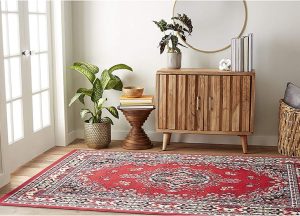
Sisal carpet is made from natural fibers extracted from the leaves of the agave sisalana plant. The fibers are cleaned, processed, spun into yarn, and woven into carpet, creating the characteristic firm texture and natural appearance associated with sisal. For homeowners comparing sisal carpets in Dubai, the material offers a plant-based alternative to many synthetic flooring products.
Sisal is considered a renewable natural fiber, and it is biodegradable under appropriate conditions; however, the overall environmental impact of a carpet also depends on cultivation, processing, backing, adhesives, transportation, and disposal. This makes it more accurate to evaluate the complete carpet construction rather than assuming that every sisal product has the same sustainability profile.
Beyond their aesthetic appeal, sisal carpets are renewable, biodegradable, and produced with minimal environmental impact. This article explores the eco-friendly charm of sisal carpets, offering insights into their benefits, design versatility, and essential care tips for lasting natural elegance.
In the ever-evolving landscape of interior design, a growing appreciation for sustainable and eco-friendly choices has paved the way for materials that seamlessly blend natural beauty with conscientious living. One such material that has emerged as a star in this eco-friendly journey is sisal. Harvested from the agave plant, sisal carpets bring the unspoiled charm of nature directly into our homes.
Picture this: the gentle rustle of agave leaves in the wind, the warmth of the sun on vast plantations, and the commitment to sustainable living embodied in every strand of sisal fiber. “From Nature to Your Home: The Eco-Friendly Charm of Sisal Carpets” is an exploration into the realm of floor coverings that not only redefine luxury but also prioritize environmental responsibility.
Brief overview of Sisal Carpet
Sisal carpet, a flooring choice that emanates both natural elegance and eco-friendly charm, is crafted from the fibers of the agave plant known as sisal Ana. This hardy succulent, primarily cultivated in regions with arid climates, yields long, durable fibers that are carefully harvested, processed, and woven into carpets of exceptional quality.
The distinguishing characteristics of sisal carpet lie in its distinct texture and earthy aesthetic. Sisal fibers are coarse, providing a robust and textured surface underfoot. The natural hues, ranging from creamy whites to warm tans and rich browns, contribute to a timeless and organic appearance, making sisal carpets a seamless fit into various design schemes.
Beyond its aesthetic appeal, sisal carpet stands out for its remarkable sustainability. Sisal plants are resilient and require minimal water and pesticides, making them an environmentally conscious choice. The production process involves minimal energy consumption, aligning with the principles of eco-friendly living.
Versatility is another hallmark of sisal carpet. Its natural color palette and distinct texture allow it to effortlessly complement both modern and traditional interiors. Sisal carpets are available in various weaves and patterns, providing homeowners with customization options to suit their unique preferences and design visions.
Sisal carpet combines natural-fiber construction with good resistance to everyday wear, making it suitable for many dry indoor areas when correctly specified and maintained. Its textured surface and firm structure can work particularly well in living rooms, bedrooms, hallways, and other interiors where a natural aesthetic is desired.
In Dubai, however, suitability depends on the indoor environment because sisal is sensitive to excessive moisture and is not generally appropriate for bathrooms or persistently damp areas. Homeowners considering natural sisal rugs should also consider traffic intensity, furniture load, sunlight exposure, and cleaning requirements before selecting the material. For spaces requiring a different performance profile, comparing the available carpet flooring options can help identify a more suitable material.
As a sustainable and stylish flooring option, sisal carpet has carved a niche for itself in the world of interior design. Whether adorning the floors of a cozy living room, a tranquil bedroom, or a bustling entryway, sisal carpet brings a touch of nature indoors, creating spaces that are both visually pleasing and environmentally responsible.

Integrating Sisal Carpets into Modern Interiors
Sisal carpets, with their natural charm and eco-friendly appeal, have become a favored choice for those seeking a seamless fusion of nature and modern design in their living spaces. The distinctive texture, earthy tones, and sustainable attributes of sisal make it a versatile flooring option that effortlessly complements contemporary interior aesthetics. Let’s explore how integrating sisal carpets can enhance the modernity of your living spaces.
Natural Elegance:
- Organic Texture: The coarse and tactile texture of sisal fibers adds an element of organic elegance to modern interiors. Whether in a minimalist setting or a more eclectic design, the natural feel of sisal creates a connection with the outdoors, bringing a touch of the environment inside.
Neutral Palette Harmony:
- Versatile Hues: Sisal’s neutral color palette, ranging from soft creams to warm browns, provides a harmonious base for modern interior color schemes. It effortlessly blends with contemporary color palettes, allowing other design elements to take center stage while maintaining a sense of balance.
Customization Options:
- Pattern Play: Modern interiors often embrace creativity and individuality. Sisal carpets offer a range of customization options in terms of weaves and patterns. From herringbone to geometric designs, homeowners can tailor sisal carpets to align with their specific design preferences, adding a unique touch to their spaces.
Sustainability as a Statement:
- Eco-Friendly Living: The emphasis on sustainability is a key tenet of modern design. Sisal carpets, derived from the agave plant using environmentally conscious practices, align perfectly with the principles of eco-friendly living. Choosing sisal becomes a statement of environmental responsibility within the context of a modern lifestyle.
Texture Dynamics:
- Layered Design: Modern interiors often thrive on the interplay of textures. The coarse texture of sisal, when paired with smoother surfaces like glass or sleek furniture, creates a dynamic contrast that adds visual interest. This layering effect contributes to a multidimensional and sophisticated design.
Balancing Warmth and Simplicity:
- Cozy Atmosphere: Despite its minimalist aesthetic, modern interiors aim to evoke a sense of warmth and comfort. Sisal carpets, with their earthy tones and natural feel, strike a perfect balance. They infuse warmth into spaces without compromising the simplicity that characterizes modern design.
High-Traffic Durability:
- Practicality Meets Style: Sisal’s innate durability makes it well-suited for high-traffic areas in modern homes. It not only withstands the rigors of daily use but also contributes to the longevity of the flooring, ensuring that style doesn’t come at the expense of practicality.
Seamless Transitions:
- Flow between Spaces: Sisal carpets create a cohesive visual flow between different areas of an open-concept modern home. Whether defining a lounge area in the living room or anchoring a dining space, sisal effortlessly connects diverse spaces, promoting a unified design narrative
Pros and Cons of Sisal Carpets
Pros of Sisal Carpets:
Natural Aesthetics:
Pros: Sisal carpets offer a visually appealing and natural aesthetic, with a texture that adds warmth and character to any space.
Eco-Friendly Choice:
Pros: Harvested from the agave plant, sisal is a renewable resource that grows quickly and requires minimal water and pesticides, making it an eco-friendly flooring option.
Durability:
Pros: Sisal fibers are inherently durable and resistant to wear, making sisal carpets suitable for high-traffic areas in both residential and commercial spaces.
Sound Absorption:
Pros: The coarse texture of sisal fibers provides excellent sound absorption, contributing to a quieter and more acoustically comfortable indoor environment.
Versatility in Design:
Pros: Sisal carpets come in various weaves and patterns, offering homeowners the flexibility to choose a design that complements their interior style.
Low Maintenance:
Pros: Sisal carpets are relatively easy to clean and maintain. Regular vacuuming and occasional spot cleaning are usually sufficient to keep them looking pristine.
Customization Options:
Pros: Sisal carpets can be customized in terms of patterns and designs, allowing for a personalized touch that aligns with individual preferences.
Natural Insulation:
Pros: Sisal provides natural insulation, helping to regulate indoor temperatures and contribute to energy efficiency.
Texture Contrast:
Pros: The coarse texture of sisal fibers creates a dynamic contrast when paired with smoother surfaces, adding visual interest to modern interiors.
Cons of Sisal Carpets:
Susceptibility to Stains:
Cons: Sisal is more prone to staining compared to synthetic fibers, and spills should be addressed promptly to prevent permanent marks.
Sensitivity to Moisture:
Cons: Sisal can be sensitive to excessive moisture, and prolonged exposure to damp conditions may lead to discoloration or damage.
Scratchiness:
Cons: The coarse texture of sisal fibers may feel scratchy to some individuals, and it may not be as soft underfoot as other carpet materials.
Limited Color Options:
Cons: Sisal’s natural color palette is limited to earthy tones, which may not suit every color scheme. Custom dyeing options are available but may have limitations.
Not Ideal for Allergic Individuals:
Cons: Sisal fibers may trap dust and allergens, potentially posing challenges for individuals with allergies or respiratory sensitivities.
Initial Cost:
Cons: Sisal carpets can have a higher upfront cost compared to some synthetic carpet options, which may impact budget considerations.
May Require Additional Padding:
Cons: Some individuals may find sisal too hard underfoot, necessitating the use of additional padding, which could add to the overall cost.
Fade in Sunlight:
Cons: Sisal carpets may experience fading when exposed to prolonged sunlight, especially in areas with intense sunlight.

How to Maintain Sisal Carpets Without Excess Moisture
Maintaining sisal correctly helps preserve both its appearance and service life. Regular vacuuming with a suction-only setting helps remove dust and loose debris, while spills should be blotted promptly with a clean, dry cloth rather than rubbed into the fibers. Because sisal is moisture-sensitive, avoid soaking, steam cleaning, or applying homemade liquid cleaning mixtures unless the carpet manufacturer specifically approves them.
In Dubai, where dust and frequent indoor use can increase maintenance needs, prevention and regular dry care are particularly important. For deeper cleaning, use a provider experienced with natural-fiber carpets and follow the manufacturer’s care instructions; this approach is safer than assuming that vinegar, detergent, protective coatings, or other household treatments are suitable. More detailed guidance is available in how to clean sisal carpets.
Regular Vacuuming:
- Tip: Vacuum your sisal carpet regularly to remove dirt and dust particles that may accumulate on the surface. Use a vacuum cleaner with a suction-only attachment to avoid damaging the fibers.
Immediate Spill Cleanup:
- Tip: Attend to spills promptly to prevent stains. Blot the affected area with a clean, dry cloth or paper towel. Avoid rubbing, as this can spread the stain. For liquid spills, use an absorbent material to soak up the moisture.
Natural Cleaning Solutions:
- Tip: Opt for natural cleaning solutions when necessary. Mix a mild detergent or white vinegar with water to create a gentle cleaning solution. Test the solution on a small, inconspicuous area before applying it to the entire carpet.
Sunlight Exposure Management:
- Tip: Minimize direct exposure to prolonged sunlight, as it can cause fading. Consider using window treatments or UV-resistant window films to protect your sisal carpet from the harsh effects of the sun.
Use Area Rugs in High-Traffic Zones:
- Tip: Place area rugs or runners in high-traffic zones to reduce wear on specific areas of the sisal carpet. This helps distribute foot traffic more evenly, extending the life of the carpet.
Furniture Pads:
- Tip: Use furniture pads under the legs of heavy furniture to prevent indentations and damage to the sisal fibers. Regularly check and adjust the pads to ensure even weight distribution.
Rotate Furniture:
- Tip: Periodically rotate furniture placement to ensure that the sisal carpet wears uniformly. This helps prevent excessive wear in specific areas, maintaining the overall appearance of the carpet.
Professional Cleaning Services:
- Tip: Consider professional carpet cleaning services that specialize in natural fibers. Inform them about the eco-friendly nature of sisal, and ensure that the cleaning products used align with your commitment to sustainability.
Protective Coatings:
- Tip: Explore eco-friendly carpet protectors that can be applied to sisal carpets. These coatings can create a barrier against spills and stains, enhancing the carpet’s resistance to soiling.
Mindful Pet Care:
- Tip: If you have pets, attend to any accidents promptly. Blot the area with a clean cloth, then clean it with a mixture of white vinegar and water. Train pets to avoid scratching or digging at the sisal fibers.
Conclusion
In conclusion, the journey through the world of sisal carpets unveils not only a flooring option of natural elegance but also a commitment to eco-friendly living. Choosing sisal is a conscious decision to bring the beauty of the outdoors into our homes while contributing to sustainable practices.
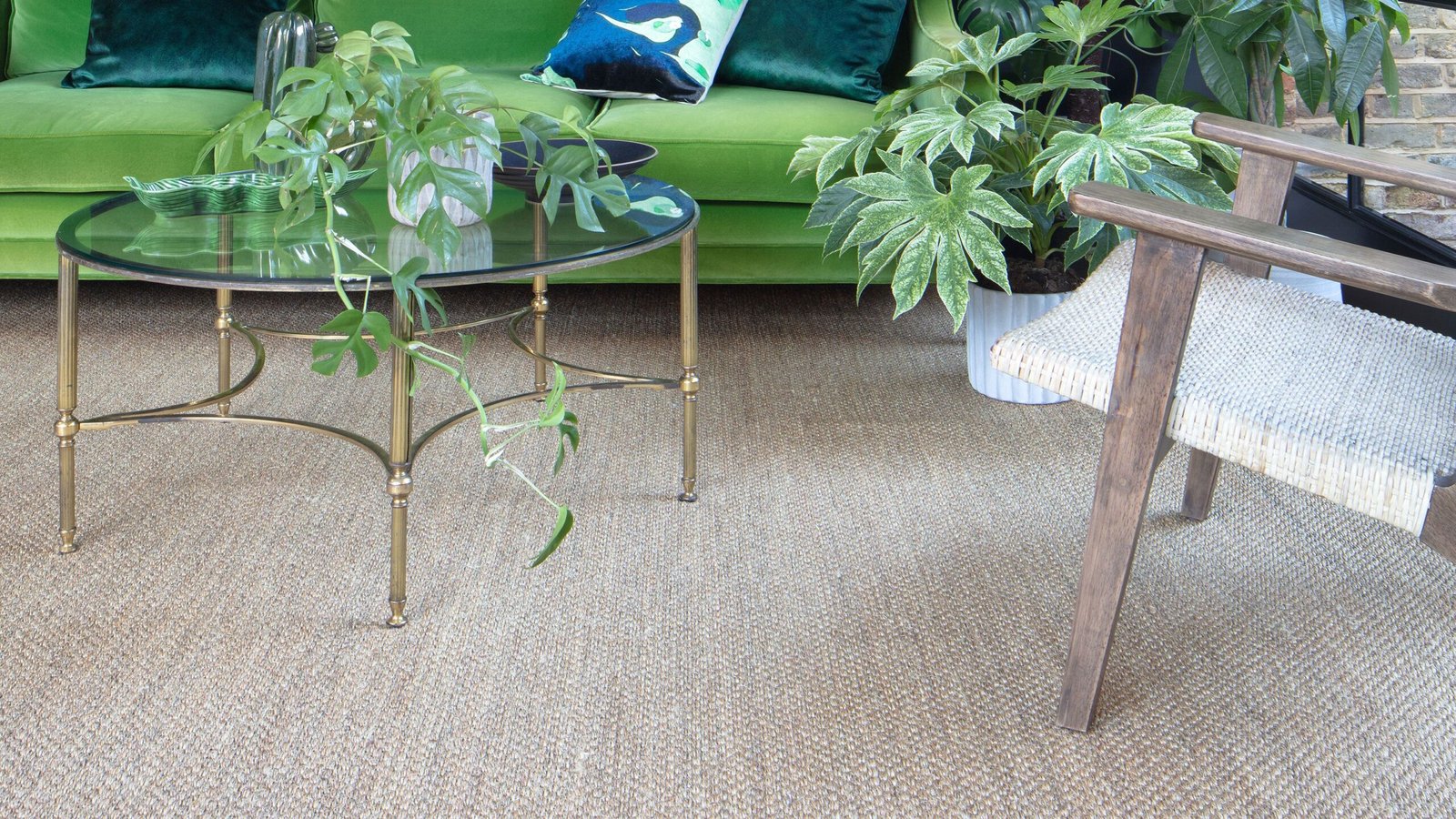
What makes sisal carpets eco-friendly?
Sisal carpets have become increasingly popular in modern interior design, especially among homeowners seeking sustainable and natural alternatives for their living spaces. Unlike synthetic flooring materials that rely on chemical processing and non-renewable resources, sisal carpets are crafted from the agave plant’s strong fibers, making them a renewable and biodegradable option. Their eco-friendly nature not only reduces the carbon footprint but also adds timeless charm to any home. Choosing sisal means embracing durability, natural aesthetics, and environmental responsibility all in one.
Here are the key reasons why sisal carpets are eco-friendly:
- Made from renewable resources: Sisal comes from the agave plant, which grows quickly and requires minimal resources to cultivate.
- Biodegradable and compostable: Unlike synthetic fibers, sisal naturally decomposes without harming the environment.
- Minimal chemical processing: Most sisal carpets are manufactured with fewer synthetic dyes and treatments, reducing chemical exposure.
- Sustainable production: Sisal harvesting and processing support eco-conscious farming practices, often with minimal waste.
- Healthy indoor environment: Sisal carpets do not emit harmful VOCs, contributing to cleaner indoor air quality.
By incorporating sisal carpets, homeowners can enjoy durable flooring that not only enhances their home’s beauty but also reflects a commitment to sustainability and eco-conscious living.
frequently asked questions about From Nature to Your Home
Q: Is sisal carpet sustainable?
A: Sisal is a renewable natural fiber derived from agave plants, so it can be a more environmentally conscious material choice than some synthetic fibers. The sustainability of the finished carpet also depends on its backing, adhesives, processing, transport, and end-of-life disposal.
Q: Is sisal biodegradable?
A: Sisal fiber itself is biodegradable under suitable conditions. However, a finished sisal carpet may contain backing, latex, adhesives, or other materials that affect how readily the complete product can biodegrade.
Q: What is sisal carpet made from?
A: Sisal carpet is made from fibers extracted from the leaves of the agave sisalana plant. These fibers are processed into yarn and woven into carpet.
Q: Is sisal carpet a good choice for homes in Dubai?
A: Yes, it can be suitable for dry, controlled indoor environments in Dubai. It should generally be avoided in areas exposed to persistent moisture because natural sisal fibers are absorbent.
Q: Are sisal carpets eco-friendly?
A: Sisal is a renewable plant-based fiber and is biodegradable as a fiber, which gives it environmental advantages. The complete carpet should still be assessed based on its backing, manufacturing, transport, and disposal.
Q: Can sisal carpets handle high foot traffic?
A: Sisal has strong natural fibers and can perform well in many busy indoor areas. Actual durability depends on fiber construction, weave, installation, traffic intensity, and maintenance.
Q: Can sisal carpet be used in humid areas?
A: Sisal is not ideal for persistently humid or damp areas because it can absorb moisture. Dry, climate-controlled interiors are generally more appropriate.
Q: How should sisal carpet be cleaned?
A: Vacuum regularly using suitable suction and deal with spills immediately by blotting. Avoid excessive water and steam cleaning unless the manufacturer specifically permits the method.
Q: Does direct sunlight damage sisal carpet?
A: Prolonged direct sunlight can contribute to color fading. Using suitable window treatments and limiting intense sun exposure can help protect the carpet’s appearance.
Q: Are sisal carpets available in Dubai and Abu Dhabi?
A: Yes. Sisal carpet and rug suppliers serve both Dubai and Abu Dhabi, with options available for residential and commercial interiors. Product availability, customization, and installation should be confirmed with the supplier.