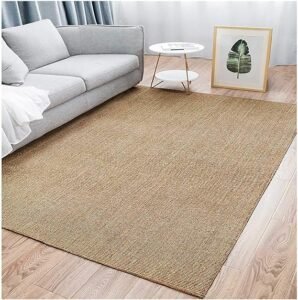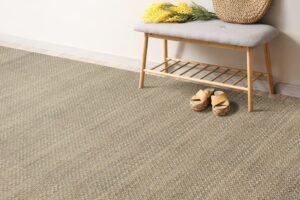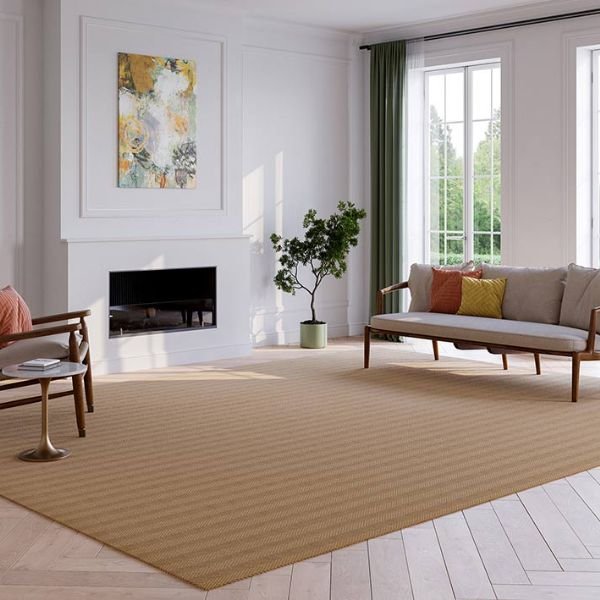
Sisal carpets have become a popular choice for homeowners seeking a natural, durable, and aesthetically pleasing flooring solution. Unlike synthetic carpets, sisal is made from natural fibers extracted from the agave plant, offering a unique texture and organic appeal. In Dubai, where modern interior design blends with traditional influences, choosing the right sisal carpet can significantly enhance the look and feel of a home.
Selecting the best carpet for your home is not just about style; it also involves understanding the durability, maintenance requirements, and environmental benefits of the material. Sisal carpets offer a balance between luxury and functionality, making them ideal for both residential and high-traffic areas.
This guide will help homeowners understand the key considerations when selecting sisal carpets in Dubai, from texture and durability to environmental benefits and care techniques. By exploring these factors, you can make an informed decision that complements your home’s design while ensuring long-lasting quality.
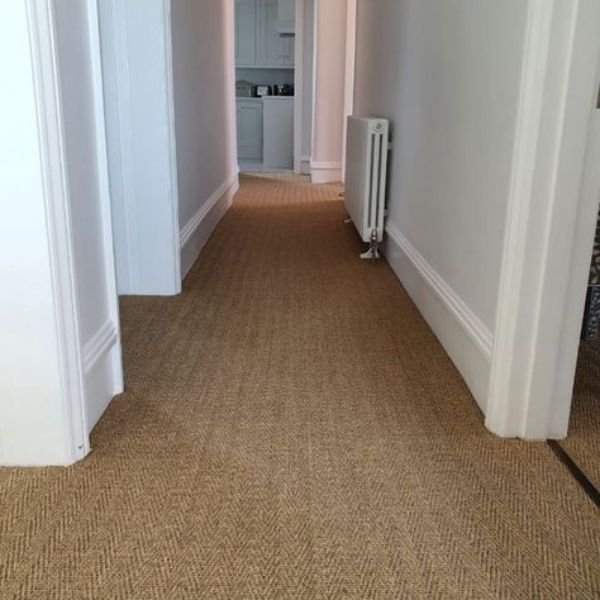
Understanding the unique textures of natural sisal carpets and how they affect room aesthetics
Sisal carpets are well-known for their distinct texture, which adds depth and character to any room. The natural fibers of sisal are tightly woven, creating a firm, slightly coarse surface that provides a tactile experience unlike soft wool or cotton carpets. This texture not only enhances the visual appeal but also affects the overall ambiance of a space.
- Visual impact: The natural patterns and subtle variations in sisal fibers create a dynamic look that changes depending on lighting and viewing angle. This can make rooms feel warmer and more inviting.
- Tactile feel: While firm underfoot, the texture of sisal carpets offers a grounding sensation, making spaces feel connected to nature.
- Compatibility with furniture: The neutral tones of natural sisal fibers complement a wide range of furniture styles, from minimalist modern to classic traditional pieces.
In Dubai’s homes, where interiors often emphasize elegance and minimalism, using sisal carpets dubai can provide a natural contrast to polished surfaces like marble floors or metallic accents, enriching the overall interior aesthetic.
Comparing the durability of sisal seagrass versus traditional carpet fibers in high-traffic areas
One of the primary advantages of sisal carpets is their exceptional durability. Compared to synthetic carpets, sisal fibers are naturally hard-wearing, making them suitable for areas that experience heavy foot traffic. Among the natural options, sisal seagrass stands out for its strength and resistance to wear.
- Sisal seagrass: This variant is slightly softer than traditional sisal but offers similar durability. It can withstand daily use without losing shape or texture.
- Traditional fibers: Materials like wool or cotton are softer but tend to flatten or wear unevenly over time, especially in hallways and living rooms.
- Maintenance differences: Sisal seagrass resists staining better than many natural fibers, although it still requires routine care to preserve its look.
For households with children or pets, choosing sisal seagrass provides a practical balance between comfort and longevity. Its resilience ensures that the carpet remains visually appealing even in busy areas, making it a smart choice for both functional and aesthetic purposes.
How to maintain and clean sisal carpets for long-lasting quality
Maintaining a sisal carpet involves specific techniques to protect the natural fibers while keeping the carpet looking fresh. Unlike synthetic carpets, sisal cannot handle excessive moisture, so dry cleaning and vacuuming are essential.
Maintenance tips:
- Regular vacuuming: Use a vacuum cleaner with a suction-only setting to remove dirt and debris without damaging the fibers.
- Spot cleaning: For spills, blot immediately using a dry cloth. Avoid rubbing as it can fray the fibers.
- Avoid excessive moisture: Do not use steam cleaners or soak the carpet, as water can cause shrinkage and warping.
- Rotate periodically: Moving the carpet or rotating it ensures even wear, particularly in high-traffic zones.
- Use rugs or mats: Placing small rugs near entrances can reduce the amount of dirt tracked onto the carpet.
Proper care not only preserves the appearance but also extends the life of your sisal carpet. Implementing these practices allows you to enjoy both the functional and aesthetic benefits of natural flooring for many years.
Tips for selecting the right color and pattern of carpet tiles to complement interior design
In modern home interiors, carpet tiles are often used to create flexible and visually appealing flooring patterns. Selecting the right color and pattern is crucial for enhancing room aesthetics while maintaining harmony with existing decor.
- Color considerations: Neutral shades like beige, tan, or soft gray work well with natural sisal fibers and can make spaces feel larger and more open.
- Pattern selection: Geometric or linear patterns can add structure and interest to a room, while subtle textures provide depth without overwhelming the design.
- Mix and match: Combining different carpet tile shades can create a dynamic visual effect, highlighting specific areas such as seating zones or hallways.
Using carpet tiles strategically allows homeowners to integrate sisal carpets seamlessly with modern interior design trends, creating spaces that are both stylish and functional.
Environmental benefits of using sisal and seagrass materials in flooring
Sisal and seagrass carpets are not only visually appealing but also environmentally friendly. They are made from renewable natural fibers, making them a sustainable alternative to synthetic flooring.
Environmental advantages:
- Renewable resources: Sisal is harvested from agave plants, which grow quickly and require minimal pesticides.
- Biodegradable: At the end of their life cycle, sisal carpets naturally decompose, reducing landfill waste.
- Low chemical use: Natural fibers generally require fewer chemicals during processing, reducing the environmental impact.
- Air quality: Sisal carpets do not release volatile organic compounds (VOCs), promoting healthier indoor air.
For eco-conscious homeowners in Dubai, choosing sisal or seagrass flooring contributes to a greener lifestyle while maintaining a luxurious and natural aesthetic in the home.
How to prevent wear and tear in sisal carpets in humid or dry climates
Dubai’s climate can pose challenges for natural fiber carpets due to high humidity and intense heat. Sisal carpets, while durable, require specific care to prevent damage from environmental conditions.
Preventive measures:
- Humidity control: Maintain indoor humidity levels with air conditioning or dehumidifiers to prevent fibers from expanding or contracting excessively.
- Sunlight exposure: Avoid placing carpets in direct sunlight, which can cause fading and weaken fibers over time.
- Protective padding: Using a quality underlay can absorb impact and reduce fiber wear in high-traffic areas.
- Regular inspection: Check carpets periodically for fraying or damage, addressing issues promptly to extend their life.
By following these preventive strategies, homeowners can enjoy the beauty and resilience of sisal carpets even in challenging climatic conditions.
The role of underlay and padding in enhancing comfort and longevity of sisal carpets
While sisal carpets provide durability, adding an underlay or padding significantly improves comfort and extends the carpet’s life. The right underlay acts as a buffer between the hard floor and the natural fibers, reducing stress on the carpet.
Benefits of underlay:
- Enhanced comfort: Adds a soft cushioning effect, making walking or standing on the carpet more comfortable.
- Noise reduction: Helps absorb sound, creating a quieter environment in busy households.
- Extended lifespan: Reduces friction and wear, preserving the texture and appearance of the carpet over time.
- Thermal insulation: Provides a layer of warmth, especially in cooler indoor environments.
Incorporating an underlay with sisal carpets dubai ensures a practical balance of comfort, durability, and aesthetic appeal, making it a worthwhile investment for homeowners seeking long-term value.
Conclusion
Choosing the best sisal carpets in Dubai requires careful consideration of texture, durability, color, maintenance, and environmental impact. By understanding the unique qualities of sisal and seagrass fibers, homeowners can select carpets that not only complement interior design but also withstand high-traffic areas and harsh climatic conditions. Incorporating proper care techniques and using appropriate underlays enhances the comfort and longevity of the carpet, ensuring it remains a stylish and functional addition to any home.
Whether using natural sisal fibers, seagrass variants, or carpet tiles, these materials offer a sustainable, elegant, and versatile flooring solution that suits modern and traditional interiors alike. By paying attention to these factors, homeowners can enjoy the aesthetic and practical benefits of sisal carpets for years to come.
FAQs
What are the main types of sisal carpets available in Dubai?
Sisal carpets are available in various textures and styles, including natural sisal, sisal seagrass blends, and woven or looped designs. Each type offers different levels of firmness and aesthetic appeal.
How does sisal compare to other natural fiber carpets?
Sisal is firmer and more durable than cotton or wool carpets, making it suitable for high-traffic areas. It has a distinctive texture and neutral tone that complements a wide range of interior designs.
What is the best way to clean sisal carpets without damaging them?
Regular vacuuming and spot cleaning with dry cloths are recommended. Avoid excessive moisture or harsh chemicals, as these can cause fraying, shrinking, or fiber damage.
Can sisal carpets be used in high-traffic commercial areas?
Yes, sisal carpets are durable enough for commercial settings. However, using protective padding and rotating sections periodically can help maintain their appearance over time.
Are sisal carpets eco-friendly and sustainable?
Sisal carpets are made from renewable fibers and are biodegradable. They require minimal chemical processing and do not emit VOCs, making them an environmentally friendly flooring choice.
How long do sisal carpets typically last with proper care?
With appropriate maintenance and care, sisal carpets can last 10–15 years or more, depending on the level of traffic and environmental conditions.
What role does padding play in the longevity of sisal carpets?
Padding acts as a cushion that reduces friction and stress on the fibers, enhances comfort, and provides thermal insulation, significantly extending the carpet’s lifespan.
How can I prevent wear in humid or dry climates?
Maintain indoor humidity, avoid direct sunlight, use underlay, and inspect carpets regularly to prevent fraying or warping due to environmental factors.
Can sisal carpets enhance room aesthetics?
Yes, the natural texture and neutral tones of sisal carpets can add warmth, depth, and visual interest, complementing various furniture styles and interior designs.
What are the maintenance differences between sisal and seagrass carpets?
Sisal seagrass is slightly softer but similarly durable. Both require dry cleaning and careful handling, but seagrass offers better stain resistance and may be more suitable for high-traffic areas.
What are the environmental advantages of using sisal carpets?
Sisal carpets are made from renewable resources, are biodegradable, and have low chemical usage. They also improve indoor air quality and reduce environmental impact compared to synthetic carpets.
How do carpet tiles integrate with sisal designs?
Carpet tiles can be combined with sisal carpets to create patterns, define spaces, and add flexibility in design, enhancing the overall interior appeal while maintaining natural fiber benefits.
How do I choose the right color for sisal carpets?
Neutral colors like beige, tan, or gray complement most interiors. Consider lighting, furniture, and room size when selecting shades to ensure harmony and visual balance.
Can sisal carpets be used with rugs and mats?
Yes, placing rugs or mats near entrances or high-traffic areas can protect sisal carpets from dirt, extending their lifespan and maintaining appearance.
What practical tips ensure long-lasting sisal carpet quality?
Regular vacuuming, spot cleaning, humidity control, padding, and rotating the carpet periodically are key to preserving texture, color, and durability.
How do sisal carpets affect indoor air quality?
Being natural and chemical-free, sisal carpets do not emit VOCs and can contribute to healthier indoor air, especially for allergy-prone individuals.
Are sisal carpets suitable for modern and traditional interiors?
Absolutely. Their neutral tones and natural texture make them versatile, complementing both contemporary designs and classic or traditional décor.
Can sisal carpets be placed in humid areas like bathrooms?
Sisal carpets are not ideal for areas with high moisture. It’s better to use them in living rooms, bedrooms, or hallways where humidity is controlled.
How can I extend the life of a sisal carpet in high-traffic zones?
Use underlay, rotate the carpet periodically, vacuum frequently, and place protective mats in key areas to minimize wear and maintain appearance.
What distinguishes sisal carpets from synthetic alternatives?
Sisal offers natural durability, unique texture, and eco-friendly benefits, unlike synthetic carpets which may contain chemicals, wear unevenly, and lack the organic appeal of natural fibers.
How do I blend sisal carpets with furniture and décor?
Match the neutral tones of sisal carpets with complementary furniture colors and textures, and use rugs or carpet tiles to define spaces and create visual interest.
Which areas of the home benefit most from sisal carpets?
Living rooms, bedrooms, hallways, and offices benefit from the durability and aesthetic appeal of sisal carpets. They are ideal for areas that balance comfort with high foot traffic.
Are sisal carpets pet-friendly?
Yes, but pets’ claws can snag fibers. Regular grooming and careful placement help maintain the carpet’s texture and appearance.
What is the typical lifespan of a well-maintained sisal carpet?
With proper care, a sisal carpet can last over a decade, retaining its texture, color, and durability while enhancing the home’s interior environment.
How does sisal compare to wool in terms of environmental impact?
Sisal is more sustainable because it grows quickly, requires fewer chemicals, and is fully biodegradable, whereas wool has higher resource and chemical demands during production.
What is the best way to combine sisal carpets with interior lighting?
Natural or soft warm lighting highlights the texture and natural tones of sisal carpets, enhancing room ambiance and creating a cozy yet elegant atmosphere.
Can sisal carpets help with thermal insulation?
Yes, especially when paired with a quality underlay. Sisal fibers naturally provide some insulation, helping maintain comfortable indoor temperatures.
How do I prevent fraying on sisal carpets?
Avoid excessive moisture, rotate the carpet regularly, and trim loose fibers carefully to prevent further unraveling, maintaining a neat and polished look.
What are common design mistakes when using sisal carpets?
Placing them in wet areas, pairing with clashing furniture colors, or neglecting maintenance can reduce their lifespan and aesthetic appeal. Proper planning ensures durability and visual harmony.
Are there health benefits to using sisal carpets?
Yes, they are hypoallergenic, chemical-free, and improve indoor air quality, reducing exposure to irritants commonly found in synthetic carpets.
How do sisal carpets affect room acoustics?
They help absorb sound moderately, reducing echoes and creating a quieter environment compared to hard flooring surfaces like marble or tiles.
What is the difference between hand-woven and machine-made sisal carpets?
Hand-woven carpets have a more organic texture and unique patterns, while machine-made carpets are more uniform but can lack the natural character of hand-woven options.
Can I layer sisal carpets with other rugs?
Yes, layering enhances visual depth, defines spaces, and allows mixing textures and colors while maintaining the natural appeal of sisal fibers.
How do I choose between sisal and jute carpets?
Sisal is firmer and more durable, suitable for high-traffic areas, while jute is softer and better for low-traffic zones, each offering unique textures and aesthetics.
What maintenance tools are recommended for sisal carpets?
A suction-only vacuum, soft bristle brushes, dry cloths, and protective mats help maintain cleanliness without damaging the natural fibers.
How does Dubai’s climate influence sisal carpet care?
High heat and humidity require controlled indoor environments, including air conditioning, humidity management, and protective measures to prevent fiber damage.
Can sisal carpets fade over time?
Yes, exposure to direct sunlight can cause fading. Position carpets away from windows or use curtains to protect colors.
How do I integrate sisal carpets into minimalist interior designs?
Use neutral tones, clean lines, and simple furnishings to highlight the natural texture of sisal, creating a calm and elegant minimalist space.
What are common misconceptions about sisal carpets?
Some believe they are uncomfortable or difficult to maintain; however, proper underlay and care make them both comfortable and long-lasting.
How does underlay choice affect sisal carpet performance?
A quality underlay prevents wear, cushions impact, reduces noise, and provides thermal insulation, enhancing both comfort and durability of the carpet.
Can sisal carpets be used outdoors?
They are not recommended for outdoor use as exposure to moisture, rain, and sun can damage fibers. Indoor spaces are ideal for maintaining their quality.
How do I remove stains from sisal carpets naturally?
Blot spills immediately, use a dry cloth, or sprinkle baking soda to absorb moisture. Avoid wet cleaning agents that can cause fiber shrinkage or discoloration.
What factors should I consider when choosing sisal carpet thickness?
Consider room traffic, comfort preference, and furniture placement. Thicker carpets offer more cushioning but may be harder to clean in high-traffic areas.
Can sisal carpets be combined with underfloor heating?
Yes, but ensure the heat is moderate. Excessive heat can dry out fibers and affect durability over time.
How do sisal carpets contribute to sustainable living?
They are made from renewable, biodegradable fibers and require minimal chemical processing, reducing environmental impact compared to synthetic flooring.
Are there specific patterns that work best for sisal carpets?
Simple, linear, or subtle geometric patterns enhance natural texture without overwhelming the space, maintaining balance and elegance.
What is the best way to introduce sisal carpets into modern Dubai homes?
Pair neutral tones with contemporary furniture, control lighting, and strategically use carpet tiles or rugs to define spaces and add texture.
How does fiber density affect sisal carpet durability?
Higher fiber density increases durability, firmness, and longevity, making it ideal for high-traffic areas while maintaining the carpet’s visual appeal.
Can sisal carpets be used in multi-story homes?
Yes, they are suitable for staircases and hallways, but consider underlay and proper maintenance to prevent wear from heavy foot traffic.
What are the key differences between sisal and bamboo carpets?
Sisal offers a firmer texture and more natural color variation, whereas bamboo is smoother and less textured, suitable for different aesthetic preferences.
How do I match sisal carpets with wall colors?
Neutral walls enhance the natural tones of sisal, while contrasting shades can highlight texture and create focal points