Choosing the right flooring for outdoor spaces can be challenging, especially when balancing aesthetics, durability, and environmental impact. Sisal outdoor carpets have gained attention as a natural, eco-friendly option for patios, terraces, and balconies. Made from plant fibers, sisal carpets offer texture, comfort, and a unique rustic charm that complements many outdoor styles.
In this guide, we will explore everything you need to know about sisal outdoor carpets, including their advantages, potential drawbacks, maintenance tips, and alternatives. By the end, you will understand whether a sisal carpet is the best fit for your outdoor living area.
Using natural fiber carpets outdoors combines sustainability with style. Unlike synthetic options, sisal carpets are biodegradable and less reliant on chemical processing, making them a conscious choice for eco-minded homeowners. Additionally, their distinctive texture adds depth to any outdoor décor scheme.
Understanding What Makes Sisal Carpet Suitable for Outdoor Spaces
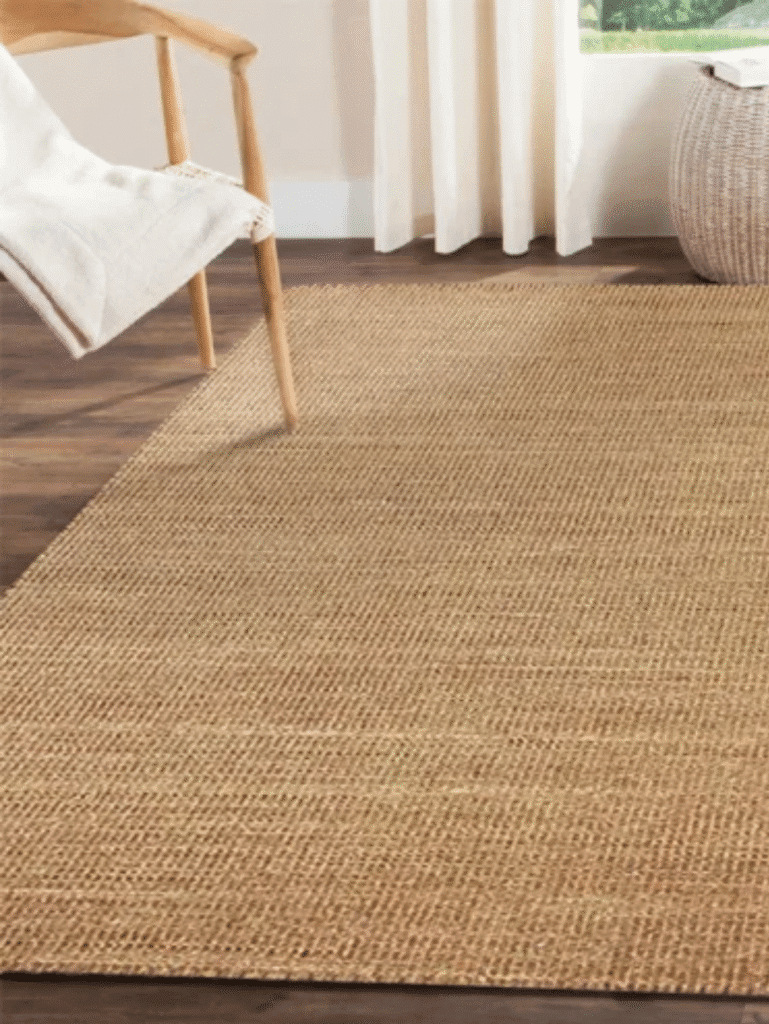
Sisal carpets are crafted from fibers obtained from the Agave sisalana plant. These fibers are naturally tough, making them more resilient than many other plant-based materials. Key factors that make sisal carpets suitable for outdoor use include:
- Durability: Sisal fibers can handle moderate foot traffic and resist wear over time.
- Natural Texture: The coarse, textured surface provides traction, reducing the risk of slipping.
- UV Resistance: While not entirely fade-proof, sisal fibers hold up relatively well under sunlight compared to softer plant fibers.
- Eco-Friendliness: Being biodegradable, sisal carpets minimize environmental impact at the end of their life cycle.
It’s important to note that sisal carpets are more effective in covered or semi-covered outdoor areas. Excessive exposure to rain or direct moisture may shorten their lifespan, but with proper care, they can remain a stylish and functional choice.
Key Advantages of Installing Sisal Carpets on Patios and Terraces
Installing a sisal carpet outdoors offers several practical and aesthetic benefits:
- Eco-Friendly Flooring Option: Sisal is a renewable resource, grown with minimal chemical inputs.
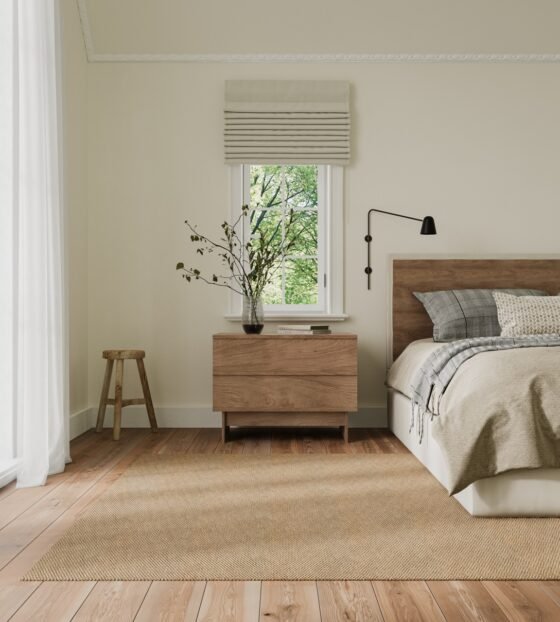
- Textured Appearance: The natural fibers create an earthy, sophisticated look that complements plants, stone, or wood elements.
- Durable Surface: Sisal fibers resist moderate foot traffic, making them ideal for entertaining areas or walkways.
- Hypoallergenic Properties: Natural sisal does not trap allergens as heavily as synthetic carpets.
- Versatile Design: Available in various weaves and textures, sisal carpets can be tailored to match multiple outdoor décor styles.
These benefits make sisal carpets a compelling option for homeowners seeking functional yet stylish outdoor flooring. For those exploring eco-conscious flooring solutions, sisal outdoor carpet provides both visual appeal and environmental benefits.
How Weather Conditions Affect the Longevity of Outdoor Sisal Carpets
Weather plays a crucial role in the durability of any outdoor carpet, and sisal is no exception. Understanding how different conditions affect the material will help you maximize its lifespan:
- Rain and Moisture: Prolonged exposure to rain can weaken fibers and promote mold or mildew growth. It’s best to use sisal carpets in covered patios or under an awning.
- Direct Sunlight: Over time, UV rays can fade the natural color of sisal. Rotating the carpet periodically can reduce uneven fading.
- Temperature Fluctuations: Extreme heat may dry out the fibers, while cold or damp conditions can make them brittle.
- Wind: Lightweight sisal rugs may shift or curl in windy conditions; using a non-slip backing or rug pad can help stabilize them.
By taking weather considerations into account, homeowners can ensure that their outdoor sisal carpet remains attractive and functional for years.
Tips for Cleaning and Maintaining Sisal Carpets in Outdoor Areas
Proper maintenance is key to preserving the look and performance of a sisal outdoor carpet. Follow these tips for optimal care:
- Regular Sweeping or Vacuuming: Remove dirt, leaves, and debris frequently to prevent fiber wear.
- Spot Cleaning: Blot spills immediately with a dry cloth. For tougher stains, use a mild soap solution without saturating the carpet.
- Dry Thoroughly: Ensure any cleaned areas are fully dry to prevent mildew.
- Rotate the Carpet: Change the carpet’s orientation periodically to distribute sun exposure and foot traffic evenly.
- Use Rug Pads: A breathable rug pad enhances stability, reduces slippage, and increases comfort underfoot.
Consistent care not only extends the lifespan of a sisal carpet but also helps maintain its natural beauty over time.
Comparing Sisal Carpets to Other Outdoor Flooring Options
When selecting flooring for outdoor areas, it’s useful to compare sisal with other common materials:
- Synthetic Outdoor Carpets: These are more water-resistant and easier to clean but lack the natural texture and eco-friendly properties of sisal.
- Coir Rugs: Made from coconut fibers, coir is similarly eco-friendly but more abrasive, making it less comfortable underfoot.
- Rubber Mats: Durable and slip-resistant, but they do not offer the warmth or visual appeal of natural fibers.
- Outdoor Tiles: Tiles are long-lasting and easy to maintain but can be cold and hard compared to the softer, textured feel of sisal.
Understanding these differences allows homeowners to make informed choices that balance comfort, aesthetics, and environmental impact.
How to Choose the Right Sisal Carpet Texture and Thickness for Outdoors
Sisal carpets come in a variety of weaves, textures, and thicknesses, each suited for different outdoor settings:
- Flatweave Sisal: Thin, lightweight, and easy to clean, ideal for covered patios or areas with moderate foot traffic.
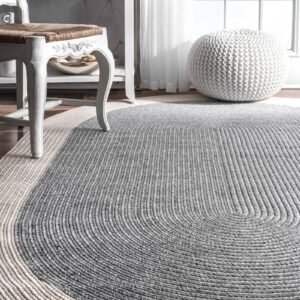
- Chunky or Braided Weave: Provides extra cushioning and texture, suitable for lounge areas or alfresco dining spaces.
- Low-Pile Sisal: Easier to maintain and more resistant to dirt accumulation, ideal for walkways or entrances.
- High-Density Sisal: Offers greater durability and comfort, perfect for spaces where furniture will rest on the carpet.
Choosing the appropriate weave and thickness ensures comfort, longevity, and a polished look for any outdoor area.
Environmental Benefits of Natural Fiber Outdoor Carpets
Using natural fiber carpets outdoors provides significant ecological advantages:
- Renewable Resource: Sisal plants grow quickly and require minimal pesticides or fertilizers.
- Biodegradability: At the end of its lifespan, sisal carpet decomposes naturally without polluting the environment.
- Carbon Footprint Reduction: Natural fibers require less energy to produce compared to synthetic alternatives.
- Minimal Chemical Processing: Less reliance on dyes and adhesives reduces potential environmental contamination.
Homeowners looking to minimize their environmental footprint can benefit from integrating carpet stores that supply eco-friendly natural fiber options into their landscaping or outdoor design plans.
Common Mistakes to Avoid When Installing Outdoor Sisal Carpets
While sisal carpets offer many advantages, incorrect installation or use can reduce their lifespan:
- Placing in Directly Exposed Areas: Avoid leaving sisal carpets in areas with constant rain or strong sun exposure.
- Neglecting Maintenance: Dirt, leaves, and moisture can damage fibers if not regularly cleaned.
- Over-Saturating During Cleaning: Excess water can weaken fibers and encourage mold growth.
- Skipping Rug Pads: Failing to use a breathable pad can cause slipping and uneven wear.
- Ignoring Furniture Pressure: Heavy outdoor furniture can flatten fibers; use coasters or rotate the rug periodically.
Being mindful of these pitfalls ensures that your outdoor sisal carpet remains functional and visually appealing. For additional guidance and options, consult reputable carpet companies that specialize in outdoor flooring solutions.
Conclusion
Sisal outdoor carpets provide a natural, eco-friendly alternative for patios, terraces, and other semi-covered outdoor areas. Their durability, unique texture, and sustainable production make them a practical choice for homeowners seeking style and functionality. While care must be taken to protect them from excessive moisture and sun exposure, proper installation and maintenance ensure that sisal carpets remain attractive and long-lasting. Understanding their benefits, limitations, and maintenance requirements allows you to make an informed decision that enhances your outdoor living space.
FAQs
Is sisal carpet durable enough for outdoor use?
Yes, sisal is naturally strong and resilient, making it suitable for outdoor areas with moderate traffic, though it performs best in semi-covered spaces.
How do you protect sisal carpets from rain and sun damage?
Place them under covered patios or awnings, rotate periodically to avoid uneven fading, and avoid saturating them with water during cleaning.
Can sisal outdoor carpets be used on balconies or decks?
Absolutely, as long as they are in areas with partial protection from weather elements to reduce exposure to excessive moisture.
What is the best way to clean a sisal outdoor carpet?
Regularly sweep or vacuum to remove debris, spot clean spills promptly using a mild soap solution, and ensure the rug dries completely after cleaning.
How does sisal compare to synthetic outdoor carpets?
Sisal is eco-friendly, biodegradable, and provides natural texture, while synthetic carpets are more water-resistant and easier to clean but less environmentally sustainable.
Are there eco-friendly alternatives to sisal for outdoor use?
Yes, options include coir rugs or other plant-based fiber carpets that are renewable and biodegradable.
How often should outdoor sisal carpets be replaced?
With proper maintenance, sisal outdoor carpets can last several years. Replacement frequency depends on exposure, usage, and climate conditions.