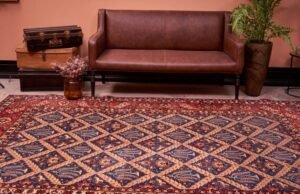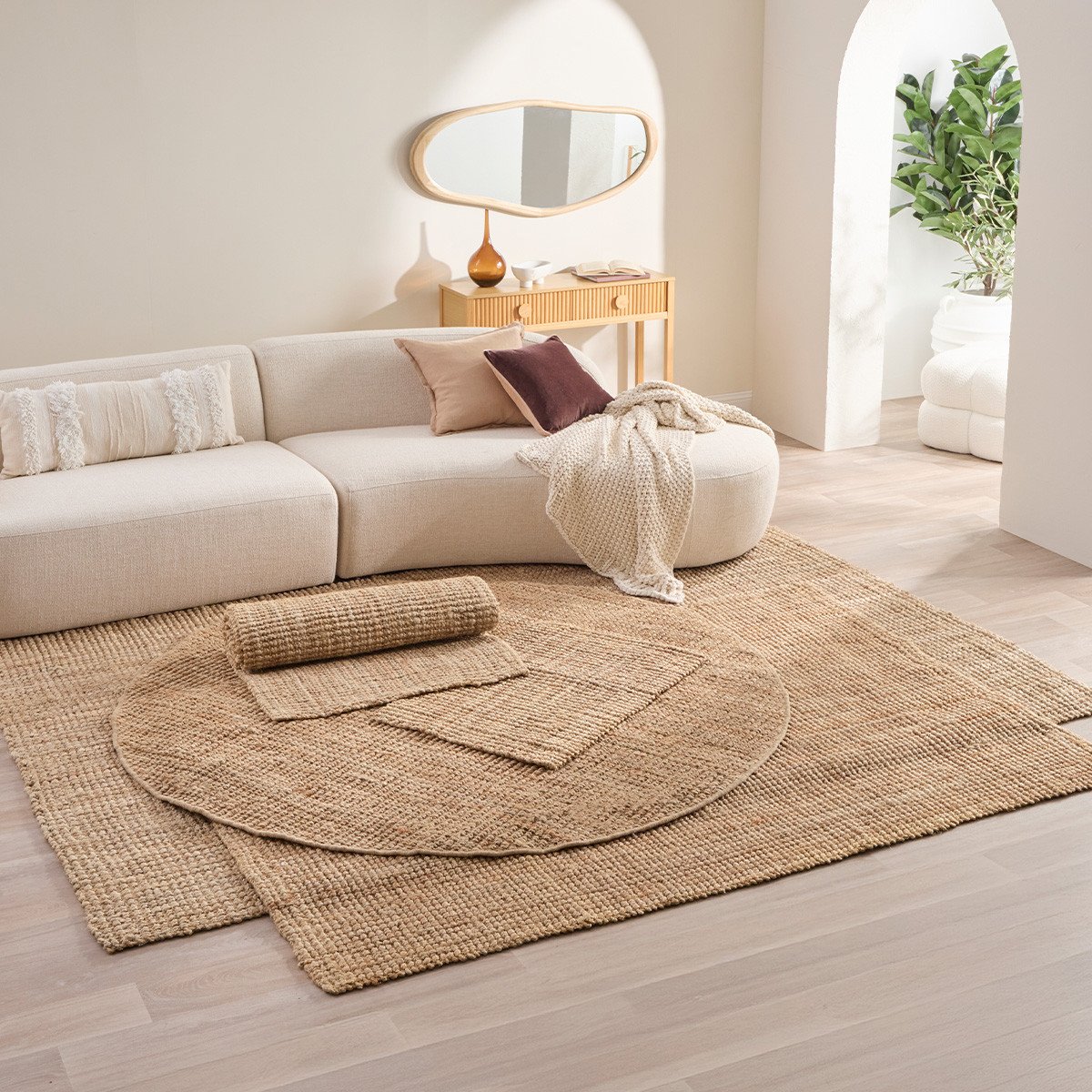
Natural fiber rugs have long been appreciated for their aesthetic appeal, eco-friendly qualities, and unique textures. Among these, jute rugs are particularly valued for their durability and versatility, making them a popular choice in homes that experience regular foot traffic. Unlike synthetic alternatives, jute rugs are made from plant-based fibers, offering both functional and environmental benefits.
Choosing a durable rug goes beyond simply picking a color or pattern. The construction, fiber quality, and care routines all play significant roles in how well a rug withstands daily use. Understanding these factors helps homeowners select rugs that maintain their appearance and performance for years. Additionally, natural fiber rugs contribute to healthier indoor environments, as they are biodegradable, non-toxic, and free from harsh chemicals often found in synthetic materials.
This article explores the durability of jute rugs in depth, examining the factors that affect longevity, practical maintenance tips, and ideal placement strategies to ensure these rugs perform well in everyday home settings.
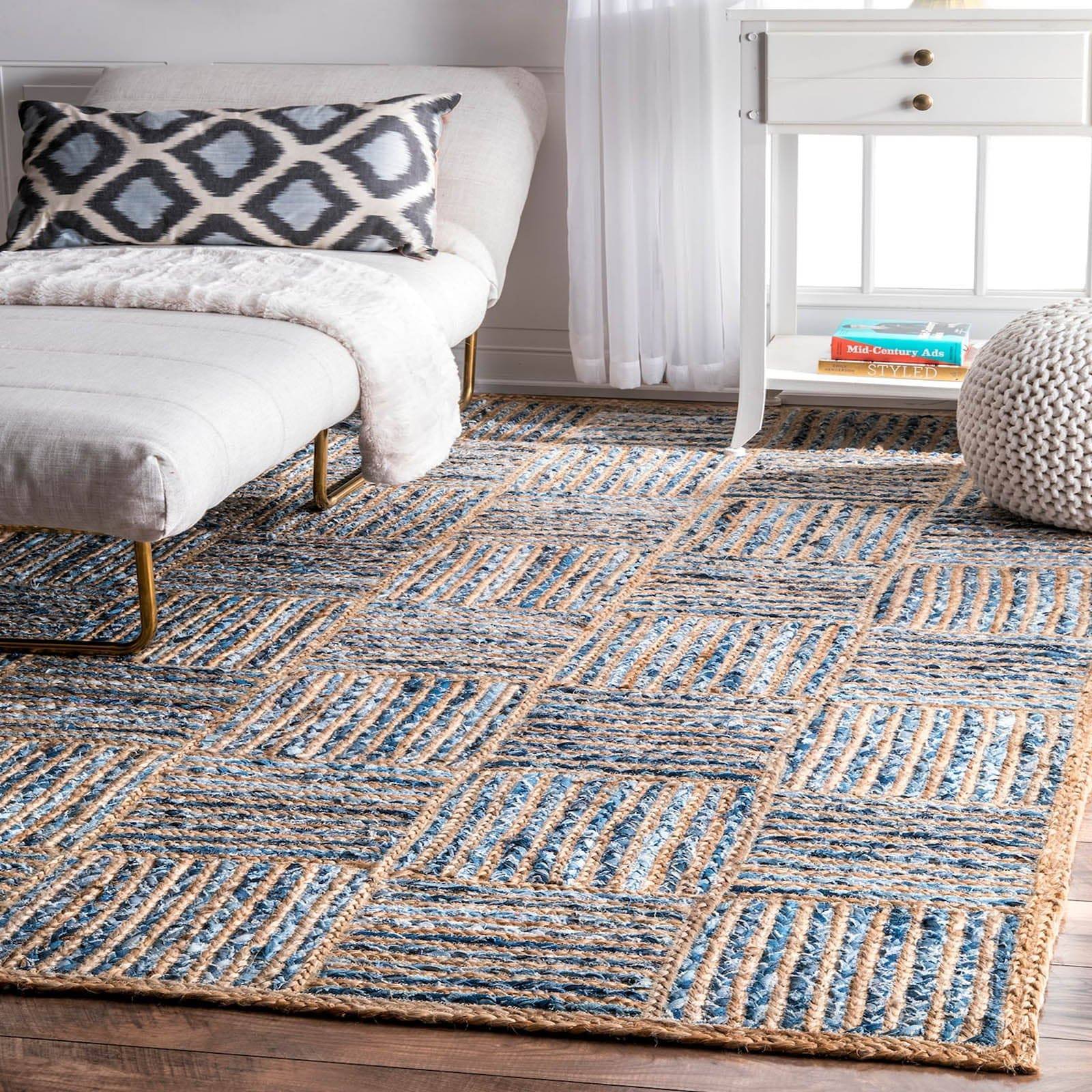
Exploring the structure of woven plant fibers and how they handle daily foot traffic
The durability of jute rugs begins with the structure of the fiber itself. Jute is a long, soft, and shiny vegetable fiber that is spun into coarse threads. These threads are then woven into various patterns to create rugs that are strong and resilient. The natural toughness of jute fibers allows the rug to withstand moderate to heavy foot traffic without showing significant wear, making it suitable for living rooms, hallways, and dining areas.
The weaving technique also contributes to strength. Braided, flat-weave, and hand-knotted designs distribute pressure evenly across the rug, reducing localized stress that can cause fraying or distortion. This structural integrity ensures that the rug maintains its shape and texture over time, even in high-use spaces.
Differences between braided, flat weave, and chunky textures for strength and stability
Jute rugs come in several weave styles, each offering unique advantages in terms of durability and aesthetic appeal:
- Braided rugs: These interlocking patterns provide excellent strength and flexibility. Braided rugs are resilient under heavy use and can adapt to minor shifts in furniture placement without damage.
- Flat weave rugs: Featuring a tight, low-profile design, flat weave rugs are less prone to fraying and easier to clean. They are ideal for entryways and high-traffic areas.
- Chunky textures: Thicker, more pronounced weaves offer softness underfoot while maintaining a solid structure. These rugs are excellent for spaces where comfort and design statement are equally important.
Understanding the differences in weave styles allows homeowners to match durability with the functional demands of specific rooms.
Environmental advantages of choosing biodegradable materials for home flooring
One of the significant benefits of jute rugs is their eco-friendliness. Unlike synthetic rugs, jute is fully biodegradable and comes from renewable resources, making it a sustainable flooring option. Choosing natural fiber rugs reduces the carbon footprint and reliance on petroleum-based materials. Additionally, the production process of jute typically requires minimal chemical intervention, resulting in a healthier indoor environment.
These rugs also support environmental stewardship through longer lifespan and natural decomposition. At the end of their use, jute rugs can return to the earth without releasing toxins, unlike synthetic alternatives that contribute to landfill waste. Homeowners who prioritize sustainability will find carpet flooring dubai options with natural fibers to be both responsible and stylish.
Maintenance habits that preserve color consistency and prevent fiber breakdown
Maintaining a jute rug properly is essential to preserving both its durability and appearance. Routine care can prevent fiber breakdown and extend the rug’s lifespan:
- Gentle vacuuming: Use a suction-only vacuum to remove dust without damaging fibers.
- Prompt spot cleaning: Treat spills immediately using a damp cloth and mild detergent, avoiding excessive water.
- Rotation: Rotate the rug every few months to prevent uneven wear and fading in sunlight-exposed areas.
- Brushing: Occasionally brush fibers to maintain texture and prevent matting.
- Avoid heavy moisture: Jute fibers are sensitive to water, which can weaken the rug and cause warping or mildew.
Consistent care ensures that a jute rug maintains its functional and aesthetic qualities over the years.
How sunlight, humidity, and airflow influence lifespan inside residential spaces
Environmental factors such as sunlight, humidity, and airflow significantly affect the durability of natural fiber rugs. Direct sunlight can fade colors over time and weaken fibers if exposure is prolonged. To prevent damage, it’s advisable to place rugs away from strong sunlight or rotate them periodically.
Humidity can cause natural fibers to absorb moisture, leading to mold growth or fiber deformation. Maintaining proper airflow and avoiding overly damp areas will help prevent these issues. Additionally, seasonal changes in temperature can cause minor expansion and contraction in fibers, which is natural but may affect the rug’s long-term appearance if not monitored.
By accounting for these environmental considerations, homeowners can ensure that their jute rugs remain resilient and visually appealing.
Comparing performance with other natural and blended flooring materials for homes
Jute rugs offer a unique combination of durability, texture, and eco-friendliness that sets them apart from other flooring options:
- Wool rugs: Wool is resilient and soft but often more expensive and requires specialized cleaning.
- Cotton rugs: Cotton is easy to clean but less durable under heavy foot traffic.
- Blended fibers: Mixed rugs may offer durability or softness but can contain synthetic materials, reducing environmental benefits.
In contrast, jute rugs balance performance with sustainability. They handle everyday use well while providing a natural aesthetic that blends seamlessly with modern home interiors. Their coarse texture offers resilience in high-traffic areas, while natural color variations add character.
Styling approaches that balance comfort, aesthetics, and functional durability
Incorporating a jute rug effectively requires attention to both style and functionality:
- Layering: Combine a jute rug with softer rugs in seating areas to enhance comfort.
- Color coordination: Use neutral jute tones to complement furniture and wall colors, providing a natural grounding effect.
- Furniture placement: Arrange furniture to minimize stress on the rug’s most trafficked areas.
- Area definition: Use rugs to delineate spaces, such as living and dining areas, while adding texture and warmth.
These styling strategies allow homeowners to enjoy both durability and aesthetic appeal in everyday living spaces.
Signs that indicate wear and when replacement may be necessary for safety
Even the most durable rugs eventually show signs of wear. Common indicators include:
- Fraying edges or loose threads
- Flattened or matted fibers
- Uneven color fading or discoloration
- Mold or mildew in damp areas
When these signs appear, it may be time to replace the rug to ensure safety and maintain interior aesthetics. Timely replacement helps avoid accidents, such as tripping on uneven surfaces, and ensures the home continues to benefit from the rug’s natural appeal.
Practical tips for rotating and protecting rugs in high activity areas
To maximize lifespan in busy areas, follow these practical steps:
- Rotate the rug every 3–6 months to ensure even wear.
- Use rug pads to prevent slipping and protect flooring underneath.
- Limit exposure to direct sunlight to maintain color and prevent fiber degradation.
- Address spills and stains immediately to avoid long-term damage.
- Avoid placing rugs in damp or high-moisture zones unless properly treated or elevated.
Implementing these tips ensures that jute rugs remain functional, safe, and visually appealing for years.
Conclusion
Jute rugs are an excellent choice for homeowners seeking durable, eco-friendly, and aesthetically pleasing flooring options. Their natural fibers, combined with thoughtful construction and care, allow them to withstand everyday use while maintaining beauty and structure. By understanding the factors that influence longevity, from weave types to environmental conditions, homeowners can make informed decisions and maximize the performance of their rugs.
With proper placement, maintenance, and styling, jute rugs can transform ordinary spaces into warm, inviting interiors. Integrating natural fiber rugs also supports sustainable living and provides a healthy alternative to synthetic materials, ensuring a long-lasting, functional, and stylish home environment.
FAQs
How durable are woven plant fiber rugs in busy households?
They are highly durable when properly maintained. Jute fibers withstand moderate to heavy foot traffic and maintain structural integrity over time.
Can they be vacuumed regularly without damage?
Yes, but it’s recommended to use a vacuum without a beater bar to prevent fiber fraying. Gentle suction ensures longevity.
Do they fade or discolor over time?
Exposure to direct sunlight can cause fading. Rotating the rug periodically and avoiding constant sun exposure helps maintain color.
What causes shedding or fraying in natural rugs?
Shedding occurs naturally as loose fibers work their way out of the weave. Fraying can result from heavy traffic, improper care, or excessive moisture.
Are these rugs safe for pets and children?
Yes, natural fiber rugs are non-toxic and eco-friendly. However, pets may contribute to wear, so regular cleaning is advised.
How does carpet flooring dubai complement jute rugs?
Pairing jute rugs with complementary flooring enhances texture, warmth, and visual depth. Natural fibers create a cohesive and inviting space.
What is the expected lifespan of how long do sisal rugs last?
With proper care, natural fiber rugs, including sisal and jute, can last 10–15 years or more, depending on traffic and maintenance practices.